 |
The secretariats of the Basel, Rotterdam and Stockholm Conventions and the Minamata Convention on Mercury are organizing an online information session on the contribution of the chemicals and waste conventions to Target 7 of the Kunming-Montreal Global Biodiversity Framework (GBF), Thursday 18 April...
Contribution of the chemicals and waste Conventions to Target 7 of the Kunming Montreal Global Biodiversity Framework
The secretariats of the Basel, Rotterdam and Stockholm Conventions and the Minamata Convention on Mercury are organizing an online information session on the contribution of the chemicals and waste conventions to Target 7 of the Kunming-Montreal Global Biodiversity Framework (GBF)
Thursday 18 April (13h00-15h00 CET)
Language: English
Online, Register here.
|
 |
A side event is being organized by BRS together with partners from diverse sectors. The event will shed light on how preventing pollution from chemicals and waste and promoting circular economy are fundamental to sustainable development of SIDS.
SIDS4 Conference Side Event: Protecting SIDS from chemicals and waste: integrated action for healthy environments and sustainable development
Monday 27 May, 14:00 - 15:30, Room 7, American University of Antigua
The fourth International Conference on Small Island Developing States (SIDS4) will be held from 27 to 30 May 2024 in St John’s, Antigua and Barbuda. Under the overarching theme of “Charting the course toward resilient prosperity", the Conference will aim at assessing the ability of SIDS to achieve sustainable development, including the 2030 Agenda and its Sustainable Development Goals. It will result in an intergovernmentally agreed, focused, forward-looking and action-oriented political outcome document.
A side event is being organized by BRS together with partners from diverse sectors. The event will shed light on how preventing pollution from chemicals and waste and promoting circular economy are fundamental to sustainable development of SIDS. Panelists will discuss the importance of implementing international policy frameworks on chemicals and waste and linkages with climate change mitigation and biodiversity preservation. The key role youth in this regard will be highlighted by the Ashley Lashley Foundation. The Global Environment Facility will explain the benefits of its support to 33 SIDS to improve management of toxic chemicals including persistent organic pollutants and mercury. The World Bank will elaborate on circular economy assessment in SIDS and how tackling plastics and pollution in the tourism sector can create innovative employment opportunities, with examples from Cabo Verde. The event will spotlight exciting initiatives for addressing the environment and health impacts of plastics in Antigua and Barbuda and sustainable financing of chemicals and waste management in Belize. The Pacific Regional Environment Programme will showcase initiatives to reduce marine pollution such as a private-public partnership to rid the region from hazardous wastes.
|
 |
Questionnaires have been sent to Parties, to assess their technical assistance needs, as well as abilities to offer technical assistance.
Calling all Parties to respond the BRS Secretariat with their technical assistance needs by 31 May 2024
|
 |
The sixth session of the United Nations Environment Assembly (UNEA-6) concluded with adopting 15 resolutions advancing collaboration action on the triple planetary crisis.
Environmental multilateralism celebrated at UNEA-6
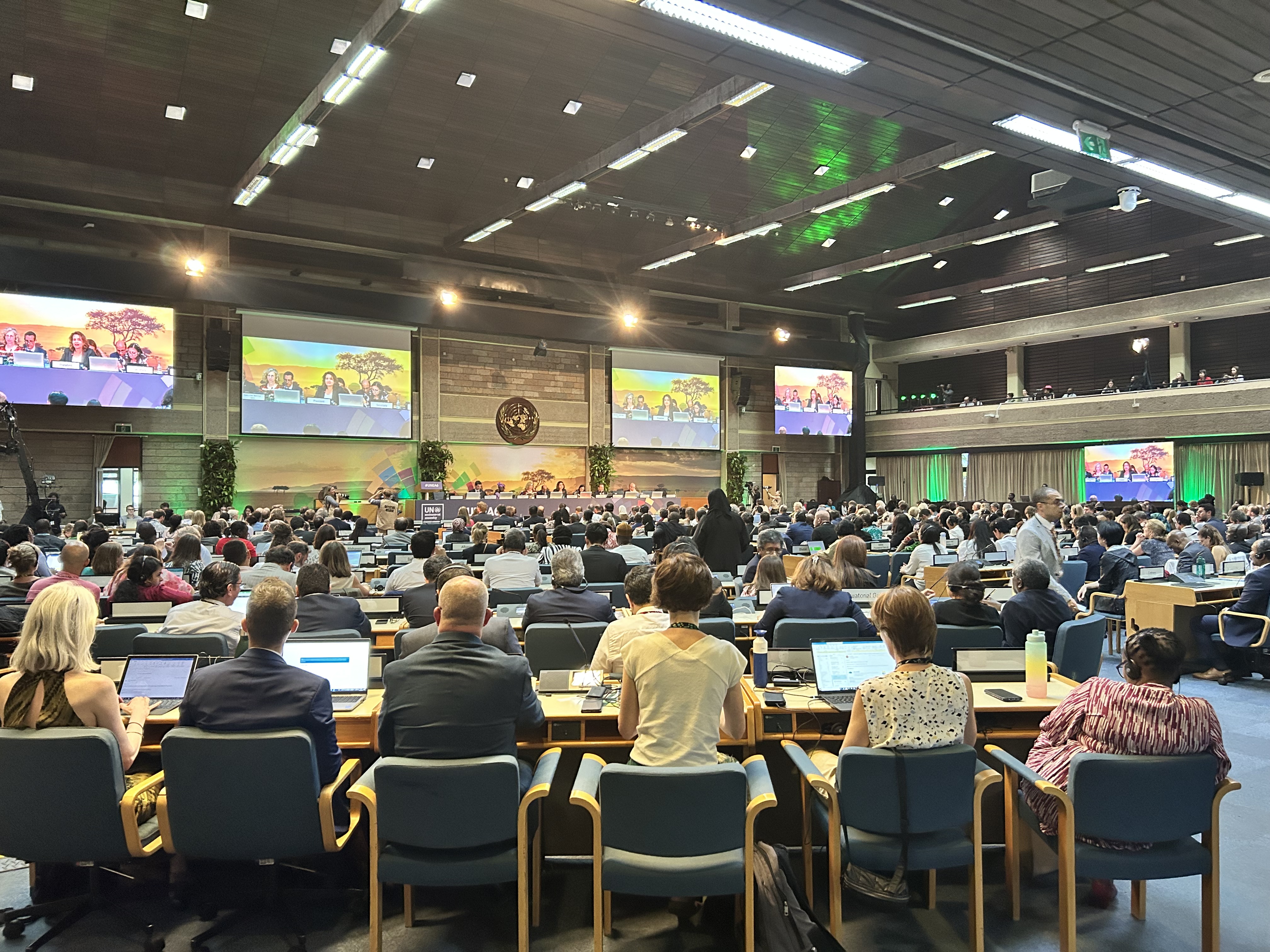
The sixth session of the United Nations Environment Assembly (UNEA-6) drew to a close on Friday, 1 March 2024. More than 5,600 delegates– representing 190 countries – participated in UNEA-6 which focused on effective, inclusive, and sustainable multilateral actions to tackle climate change, biodiversity loss and pollution.
The Assembly adopted 15 resolutions aimed at addressing some of the planet’s most-pressing environmental challenges, including climate change, pollution and desertification. UNEA-6 also adopted a ministerial declaration which reaffirms Member States’ commitment to tackle global environmental challenges and crises and 2 decisions.
Five of the 15 UNEA-6 resolutions relate to the work of the Basel, Rotterdam and Stockholm Conventions:
- UNEP/EA.6/L.7 - Promoting synergies, cooperation or collaboration for national implementation of multilateral environmental agreements and other relevant environmental instruments
- UNEP/EA.6/L.8 - Environmental aspects of minerals and metals
- UNEP/EA.6/L.9 - Fostering national action to address global environmental challenges through increased cooperation between the United Nations Environment Assembly, the United Nations Environment Programme and multilateral environmental agreements
- UNEP/EA.6/L.12 - Sound management of chemicals and waste
- UNEP/EA.6/L.14 - Highly hazardous pesticides
A key highlight of the UNEA-6 was also the first-ever day devoted to showcasing Multilateral Environmental Agreements (MEAs). The successful experience of MEAs shows that Parties are working together to help forge a sustainable future and have helped protect endangered species, limit chemical and waste pollution, and repair the hole in the ozone layer, among other things.
The Basel, Rotterdam and Stockholm Conventions were represented during the MEAs day through the voices of Ms. Maya Berci, President of the Conference of the Parties to the Stockholm Convention, Mr. Iftikhar-ul-Hassan Shah Gilani, President of the Conference of the Parties to the Rotterdam Convention, and Mr. Rolph Payet, Executive Secretary of the Basel, Rotterdam and Stockholm Conventions.
|
|
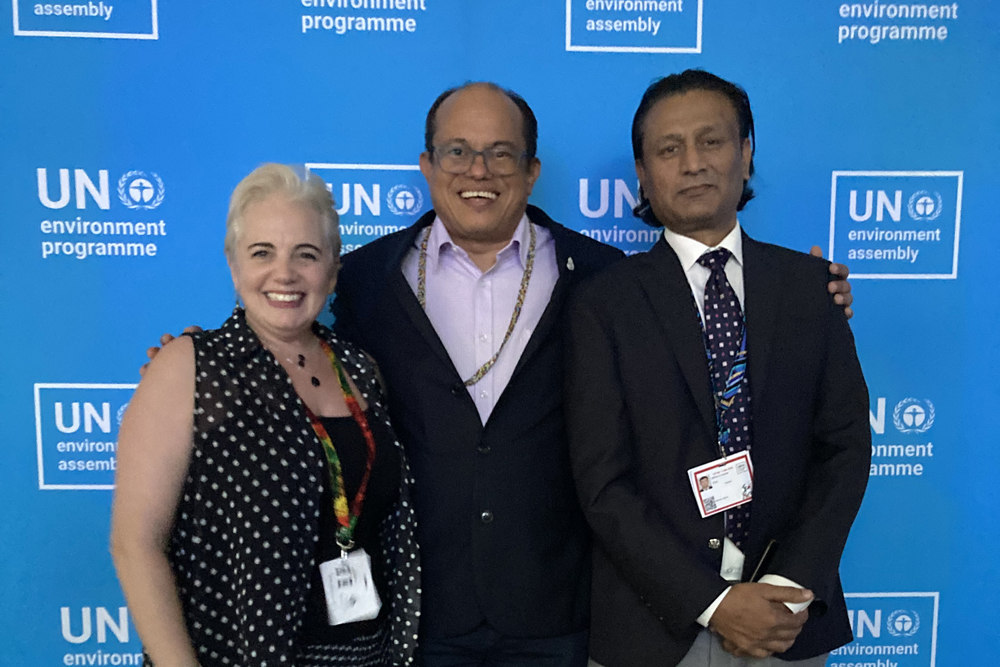
Ms. Maya Berci, President of the Conference of the Parties to the Stockholm Convention (left) with Mr. Rolph Payet, Executive Secretary of the Basel, Rotterdam and Stockholm Conventions (middle) and Mr. Iftikhar-ul-Hassan Shah Gilani, President of the Conference of the Parties to the Rotterdam Convention (right)
|
|
|
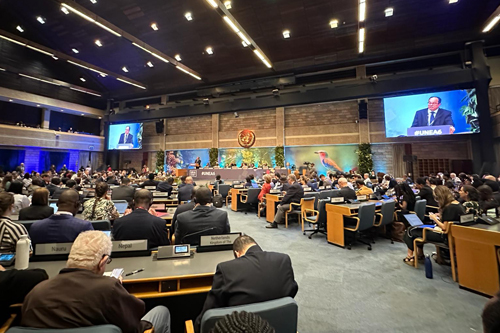
Mr. Rolph Payet, Executive Secretary of the Basel, Rotterdam and Stockholm Conventions, at the opening of the MEAs Day
|
|
|
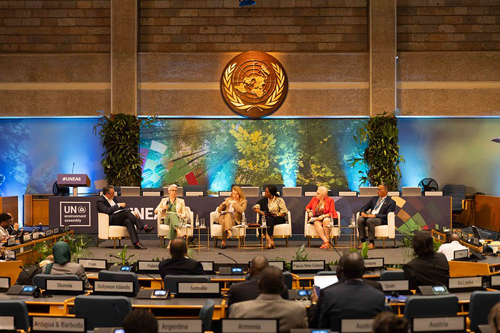
Maya Berci, President of the Conference of the Parties to the Stockholm Convention (second from the right) taking part in the MEAs High-Level Dialogue on strengthening the science-policy interface for effective implementation of environmental commitments.
|
Beyond the formal UNEA-6 programme, Ms Berci and the Secretariat of the Basel, Rotterdam and Stockholm conventions engaged in more than 12 side events addressing a variety of issues ranging from the life-cycle of metals and minerals, cooperation among MEA compliance committees, to linkages between pollution and climate change and biodiversity loss.
Find the programme of BRS engagements at UNEA-6 including recordings of side events.
The seventh session of the United Nations Environment Assembly (UNEA-7) will take place on 8-12 December 2025.
Photo album

|
 |
Climate change and pollution often have joint sources and exert combined and mutually reinforcing pressures on the environment and human health.
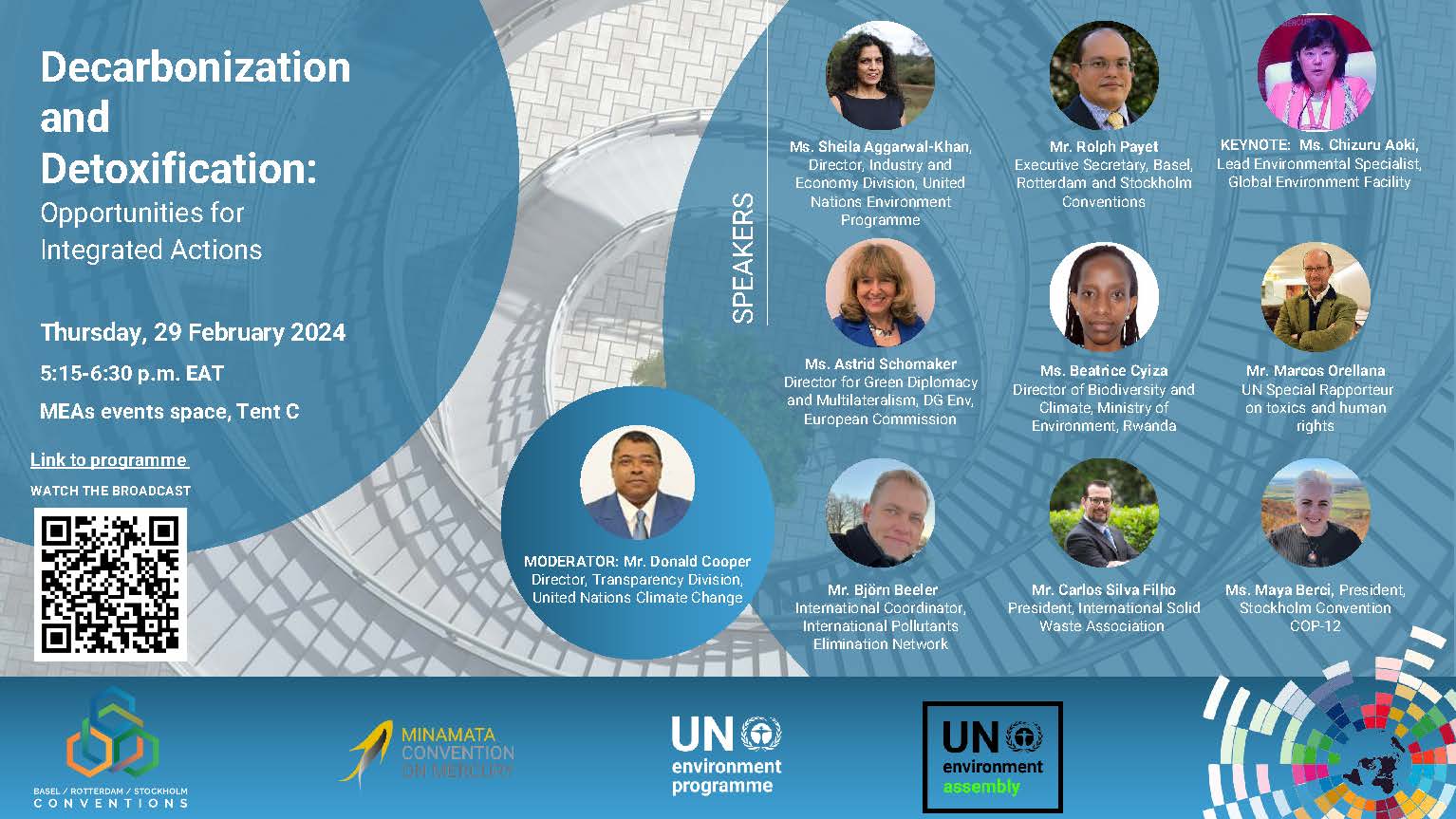
Side event: Decarbonization and Detoxification: Opportunities for Integrated Actions
29 February 2024
17:15 – 18:30 p.m. (UTC+3)
Helipad, MEAs events space, Tent C
Nairobi, Kenya
Watch the event recording here
Climate change and pollution often have joint sources and exert combined and mutually reinforcing pressures on the environment and human health.
The sound management of wastes and chemicals, and circular economy approaches, have a critical role to play in addressing climate change. Curbing chemical and wastes pollution offers various co-benefits to tackling climate change, either directly, through sound solid waste management or, indirectly, through the effects of waste prevention, re-use, recycling and resource recovery across economic sectors and through more circular and sustainable products. Circularity approaches could cut global GHG emissions by up to 20% while creating green jobs and improving public health.
By bringing experts from different horizons, the side event will discuss the co-benefits offered by integrated approaches aimed at addressing GHG emissions and releases from pollutants, while preventing trade-offs.
Key areas where synergistic actions can be initiated and which will be showcased at the side event are: policy, through the synergistic implementation of relevant multilateral environmental agreements (MEAs), innovation and technology, financing and awareness and education.
Event moderated by:
- Dr. Donald Cooper, Director, Transparency Division, United Nations Framework Convention on Climate Change (UNFCCC)
Opening:
- Ms. Sheila Aggarwal-Khan, Director, Industry and Economy Division, United Nations Environment
- Dr. Rolph Payet, Executive Secretary, Basel, Rotterdam and Stockholm Conventions
Keynote speech:
- Ms. Chizuru Aoki, Lead Environmental Specialist, on behalf of Mr. Carlos Manuel Rodriguez, CEO and Chairperson, Global Environment Facility (GEF)
Panel discussion:
- Ms. Astrid Schomaker, Director for Green Diplomacy and Multilateralism, Directorate General for Environment, European Commission
- Ms. Beatrice Cyiza, Director General of Biodiversity and Climate, Ministry of Environment, Rwanda
- Mr. Carlos Silva Filho, President, International Solid Waste Association (ISWA)
- Mr. Marcos Orellana, UN Special Rapporteur on Toxics and Human Rights
- Mr. Björn Beeler, International Coordinator, International Pollutants Elimination Network (IPEN)
Q&A
Closing remarks:
- Ms. Maya Berci, President of the 12th meeting of the Conference of the Parties to the Stockholm Convention, Executive Director, Chemicals Management Division, Environment and Climate Change Canada
Resources
|
|
Report
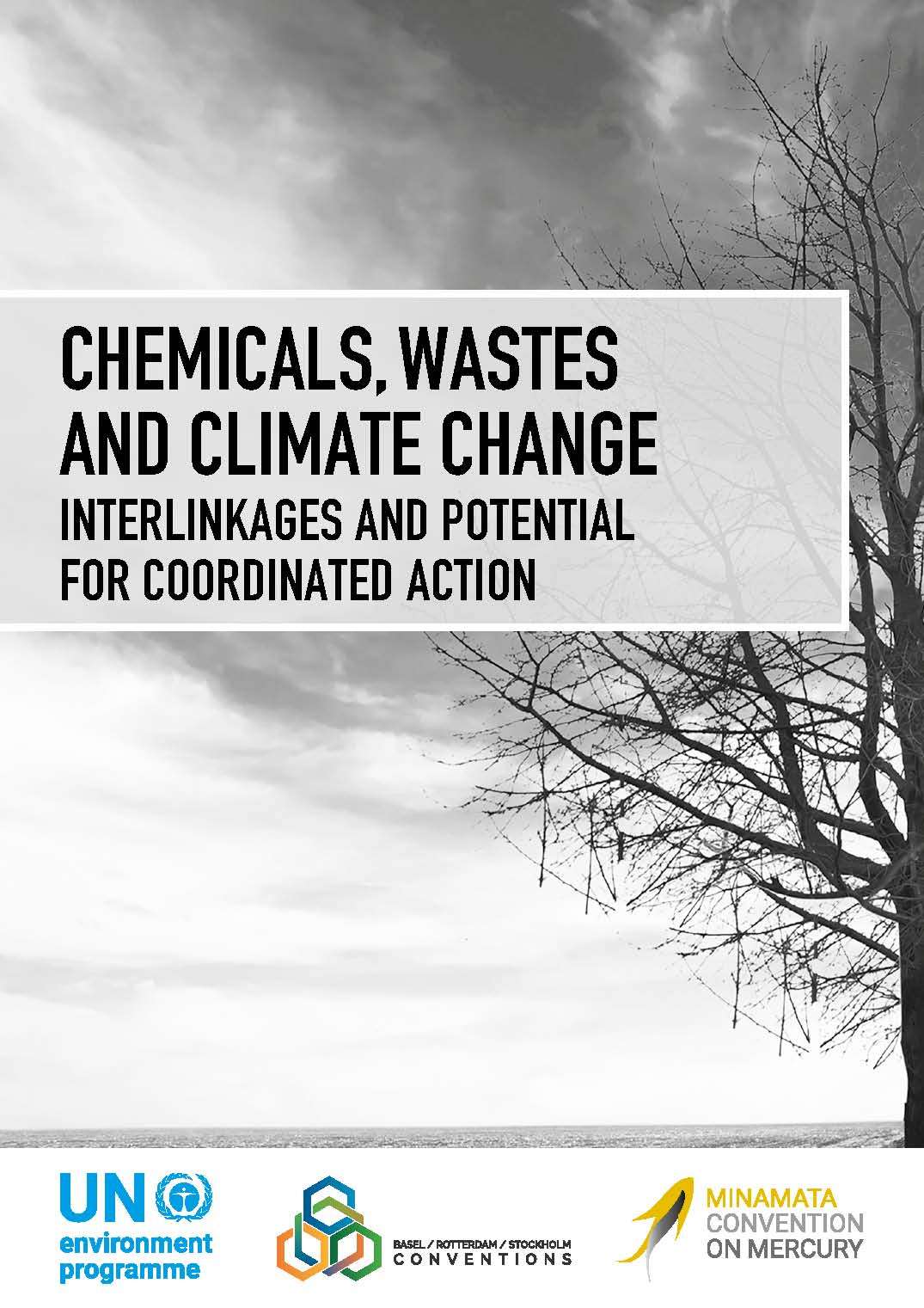
Chemicals, Wastes and Climate Change – Interlinkages and potential for coordinated action
Download (PDF) English
|
|
|
Report
Climate and POPs: Predicting the Impacts
Download (PDF) English
|
Photo gallery

Organizers
|
|

|
|
 |
The Secretariat of the Basel, Rotterdam and Stockholm conventions will participate in the upcoming UNEA-6 to show case the contributions of the BRS conventions to tackle the triple planetary crisis and to attain the SDGs, while highlighting ongoing cooperation with UNEP.
BRS Secretariat at UNEA-6
The sixth session of the United Nations Environment Assembly (UNEA-6) will take place from 26 February to 1 March 2024 at the United Nations Environment Programme (UNEP) headquarters in Nairobi, Kenya.
UNEA-6 will focus on how multilateralism can help tackle the triple planetary crisis of climate change, nature and biodiversity loss, and pollution and waste. Member States and stakeholders will come together to discuss how to advance effective, inclusive, and sustainable multilateral actions to address those interconnected planetary environmental crises.
For the first time, UNEA-6 will highlight the importance of cooperation with MEAs with a full day devoted to the discussion on 28 February 2024. The MEAs day will consist of an opening plenary meeting and two consecutive high-level dialogues. It will provide a unique opportunity for the Assembly to enhance its relationship with the MEAs by strengthening convergence of actions and sharing of experiences while also providing increased visibility to the MEAs.
Watch live the Opening plenary of the MEAs Day on 28 February 2024 from 9 to 10 am EAT
Watch live the MEA Dialogue 1: Strengthening the science policy interface for effective implementation of environmental commitments on 28 February 2024 from 10 am to 1 pm EAT
Watch live the MEA Dialogue 2: Strengthening cooperation between UNEA, UNEP and MEAs to enhance effective implementation at the national level including through means of implementation 28 February 2024 from 1 pm to 3 pm EAT
MEAs related events will be organized from 28 February to 1 March at the MEA pavilion and exhibitions of MEAs will run through the full week of UNEA-6.
The Secretariat of the Basel, Rotterdam and Stockholm conventions will actively engage at UNEA-6 to bring attention to the linkages between pollution, biodiversity loss and climate change and show case the work undertaken by Parties to the Basel, Rotterdam and Stockholm conventions to tackle those interconnected planetary crises.
BRS Secretariat’s engagement programme at UNEA-6.
All times are in EAT/ GMT+3.
28 February 2024
|
|
|
|

|
|
18:30 - 19:45 | Conference Room 11
Side event: Tackling the Triple Planetary Crisis: Building the Linkages from Science to Action
Organizers: Secretariat of the Open-Ended Working Group on the Science Policy Interface on Chemicals, Waste and Pollution Prevention
|
|
|

|
|
18:30 - 19:45 | Online
Side event: Inclusive Pathways: Advancing Gender and Indigenous Perspectives in Multilateral Environmental Cooperation for a Sustainable Future for All
Watch the event live here
Organizers: Women4Biodiversity, Asia Indigenous Peoples Pact
|
|
________________________________________
|
|
29 February 2024
|
|

|
|
10:00 - 11:30 | Helipad, MEAs events Tent B
Side event: Better addressing the triple planetary crisis through the cooperation between the MEAs implementation and compliance committees
Watch the event recording here
Organizers: Ozone Secretariat, CBD, CITES, CMS, Minamata convention secretariat
|
|
|

|
|
10:00 - 11:30 | Helipad, MEAs events Tent C
Side event: Effective multilateral actions for responsible mining
Organizers: United Nations Environment Programme
|
|
|

|
|
11:30 - 13:15 | Helipad, MEAs events Tent B
Side event: Catalyzing Environmental Impact and Visibility through Digital Transformation: MEAs Embracing Knowledge-Driven Capacity-Building
Organizers: Secretariat of the Minamata Convention, United Nations Environment Programme
|
|
|

|
|
13:15 - 15:00 | Helipad, MEAs events Tent B
Side event: Effective multilateral actions to protect people and nature from pollution – building on synergies between the chemicals, waste and biodiversity agendas
Organizers: United Nations Environment Programme
|
|
|

|
|
13:15 - 15:00 | Helipad, MEAs events Tent C
Side event: Greening Customs for People, Planet and Prosperity: The Case of Waste Management
Watch the event live here
Organizers: United Nations Environment Programme and the Secretariat of the Basel, Rotterdam and Stockholm conventions
|
|
|

|
|
13:30 - 14:45 | Press Room
Side event: For a Planet Free of Harm from Chemicals and Waste – Joining Forces for Accelerated Implementation of the Global Framework on Chemicals
Organizer: Germany
|
|
|

|
|
17:00 - 18:30 | Helipad, MEAs events Tent C
Side event: Decarbonization and detoxification: Linkages and Opportunities for integrated solutions
Watch the event recording here
Organizers: Secretariat of the Basel, Rotterdam and Stockholm conventions, secretariat of the Minamata Convention and United Nations Environment Programme
|
|
________________________________________
|
| |
| 1 March 2024 |
|

|
|
10:30 - 12:00 | Helipad, MEAs events Tent A
Side event: Enhancing Cooperation between Montreal Protocol (OzonAction), the Basel, Rotterdam and Stockholm Conventions, and Minamata Convention at the Country Level on Areas of Common Interest
Organizer: United Nations Environment Programme
|
|
|
|
|
13:15 - 14:45 | Helipad, MEAs events Tent B
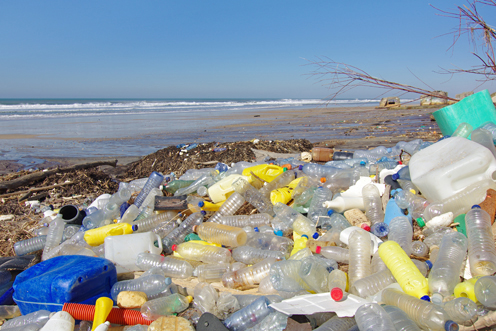
Side event: Synergies in the governance of climate change and plastics in the context of the triple planetary crisis
Organizers: Grid-Arendal and secretariat of the United Nations Framework Convention on Climate Change
|
The Secretariat of the Basel, Rotterdam and Stockholm conventions will take part, as an observer, in UNEA-6 and provide information on decisions and ongoing work under the conventions that are relevant to the session’s deliberations.
To that effect, the Secretariat submitted to UNEA-6 the following background notes on the work of the conventions as it relates to the draft resolutions being considered:
Photo gallery

|
 |
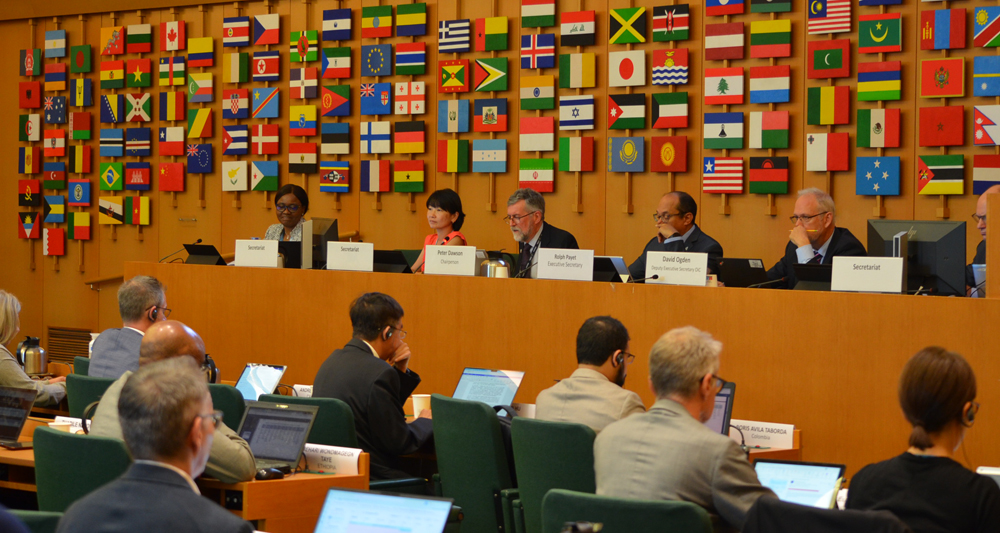
The report of the nineteenth meeting of the Chemical Review Committee is now available in all 6 UN languages.
CRC-19 meeting report in languages
The report of the nineteenth meeting of the Chemical Review Committee is now available in all 6 UN languages.
|
 |
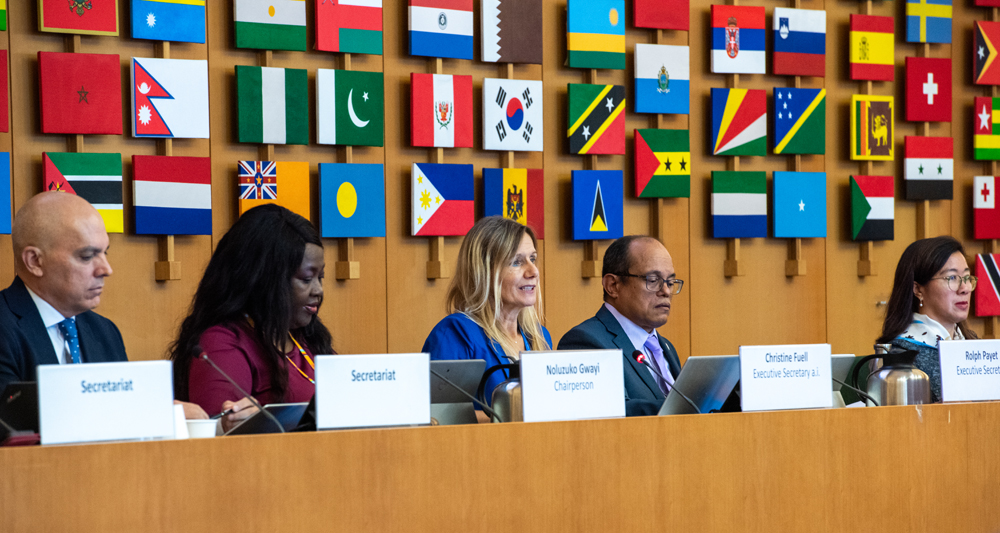
This event explores areas of cooperation of MEAs Implementation and Compliance Committees to better address the triple planetary crises.
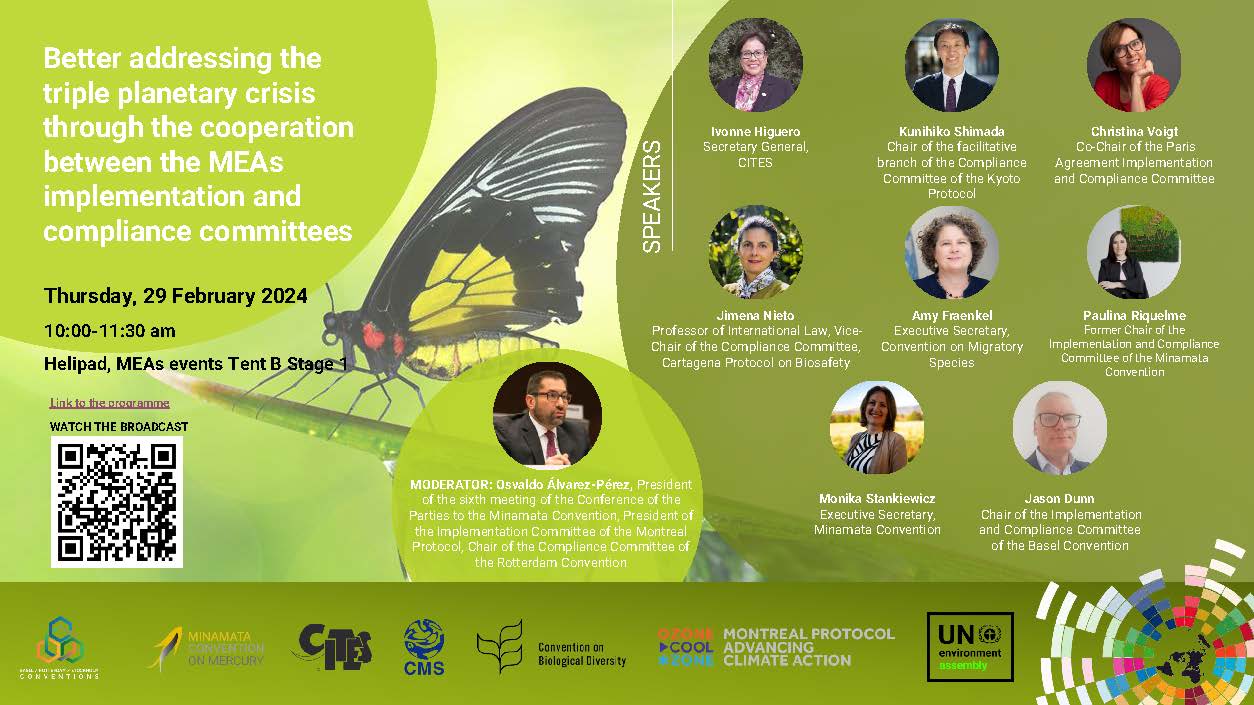
Side event: Better addressing the triple planetary crisis through the cooperation between the MEAs implementation and compliance committees
29 February 2024
10:00 a.m. – 11:30 a.m. (UTC+3)
Helipad, MEAs events Tent, Tent B, Stage 1
Nairobi, Kenya
Watch the event recording here
This event explores areas of cooperation of MEAs Implementation and Compliance Committees to better address the triple planetary crises.
It brings 10 MEAs together through the Chairs of Implementation and Compliance Committees and Secretariats:
- Basel Convention on the Control of Transboundary Movement of Hazardous Wastes and their Disposal
- Cartagena Protocol on Biosafety
- Convention on International Trade in Endangered Species of Wild Fauna and Flora (CITES)
- Convention on Migratory Species
- Minamata Convention on Mercury
- Montreal Protocol on Substances that Deplete the Ozone Layer
- Kyoto Protocol to the United Nations Framework Convention on Climate Change
- Paris Agreement
- Rotterdam Convention on the Prior Informed Consent Procedure for Certain Hazardous Chemicals and Pesticides in International Trade
- Stockholm Convention on Persistent Organic Pollutants.
Drawing on several recommendations of the General Assembly resolution 73/333 in particular the invitation for Secretariats of MEAs to enhance cooperation and collaboration among themselves, as well as various mandates entrusted to individual MEAs Implementation and Compliance Committees to cooperate with other entities, this event will provide an opportunity to learn from the work and achievements of the various Committees, including collaborative efforts to achieve their objectives.
Examples of existing cross fertilization processes and cooperative activities will be presented, including the convening of dialogues between MEA Committees and other organizations on improving implementation and compliance with obligations of a similar nature, such as national reporting, the development of legislation and combating illegal traffic/trade.
The event will also provide an opportunity to take stock of the contributions of Implementation and Compliance Committees in supporting Parties to achieve the SDGs, including through the Cooperation Framework processes.
Event moderated by:
- Osvaldo Álvarez-Pérez, President of the sixth meeting of the Conference of the Parties to the Minamata Convention on Mercury, President of the Implementation Committee of the Montreal Protocol on Substances that Deplete the Ozone Layer, Chair of the Compliance Committee of the Rotterdam Convention on the Prior Informed Consent Procedure for Certain Hazardous Chemicals and Pesticides in International Trade
Speakers:
- Ivonne Higuero, Secretary General, Convention on International Trade in Endangered Species of Wild Fauna and Flora (CITES): “CITES compliance mechanism and the role of partnerships”
- Kunihiko Shimada, Chair of the facilitative branch of the Compliance Committee of the Kyoto Protocol: “Experience of the facilitative branch in providing advice and facilitation to Parties in implementing the Kyoto Protocol”
- Christina Voigt, Co-Chair of the Paris Agreement Implementation and Compliance Committee: “The role and function of the Paris Agreement Implementation and Compliance Committee”
- Jimena Nieto, Professor of International Law, Member and Vice-Chair of the Compliance Committee under the Cartagena Protocol on Biosafety: “Cross-fertilization among compliance mechanisms: the value of informal dialogues and exchanges”
- Amy Fraenkel, Executive Secretary, Convention on Migratory Species: “Cooperation under the Review Mechanism of the Convention on Migratory Species"
- Paulina Riquelme, former Chair of the Implementation and Compliance Committee of the Minamata Convention on Mercury: “National reports and the Implementation and Compliance Committee: experiences from a young Convention”
- Monika Stankiewicz, Executive Secretary, Minamata Convention on Mercury: “Collaboration with other MEAs and relevant outcomes of the fifth meeting of the Conference of the Parties to the Minamata Convention”
- Jason Dunn, Chair of the Implementation and Compliance Committee of the Basel Convention on the Control of Transboundary Movement of Hazardous Wastes and their Disposal: “Integrating implementation needs in the broader sustainable development agenda: the experience of the Basel Convention Implementation and Compliance Committee”.
Photo gallery

Organizers
|
|

|
|
 |
The final version of the report of the nineteenth meeting of the Persistent Organic Pollutants Review Committee is now available in all 6 UN languages.
POPRC-19 meeting report in languages now available
|
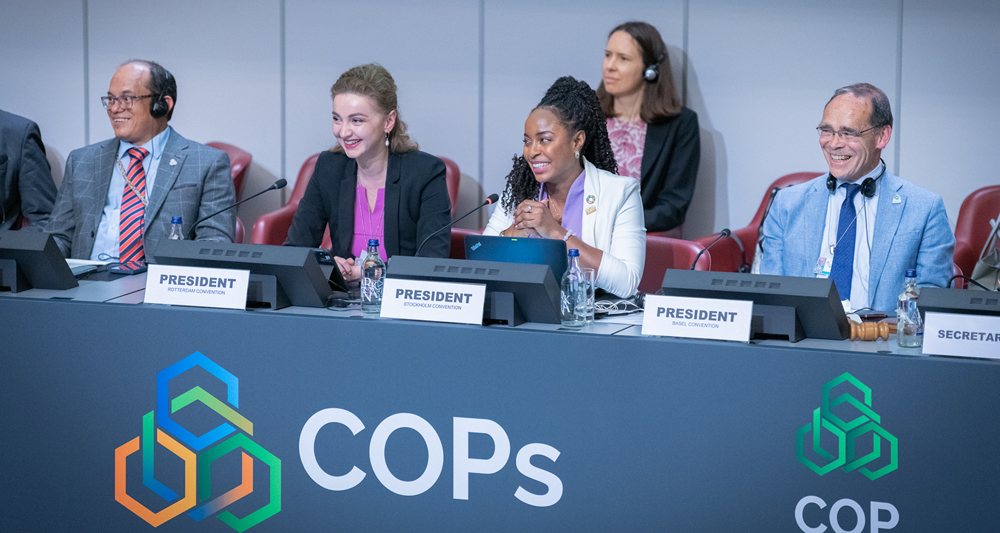 |
The final versions of the reports of the 2023 BRS COPs are now available in all 6 UN languages.
2023 BRS COPS meeting reports in languages now available
|
 |
As we look back on 2023, the BRS Secretariat is proud to share with you some of the key highlights that has made this year a special one!
BRS Secretariat Highlights of 2023
|
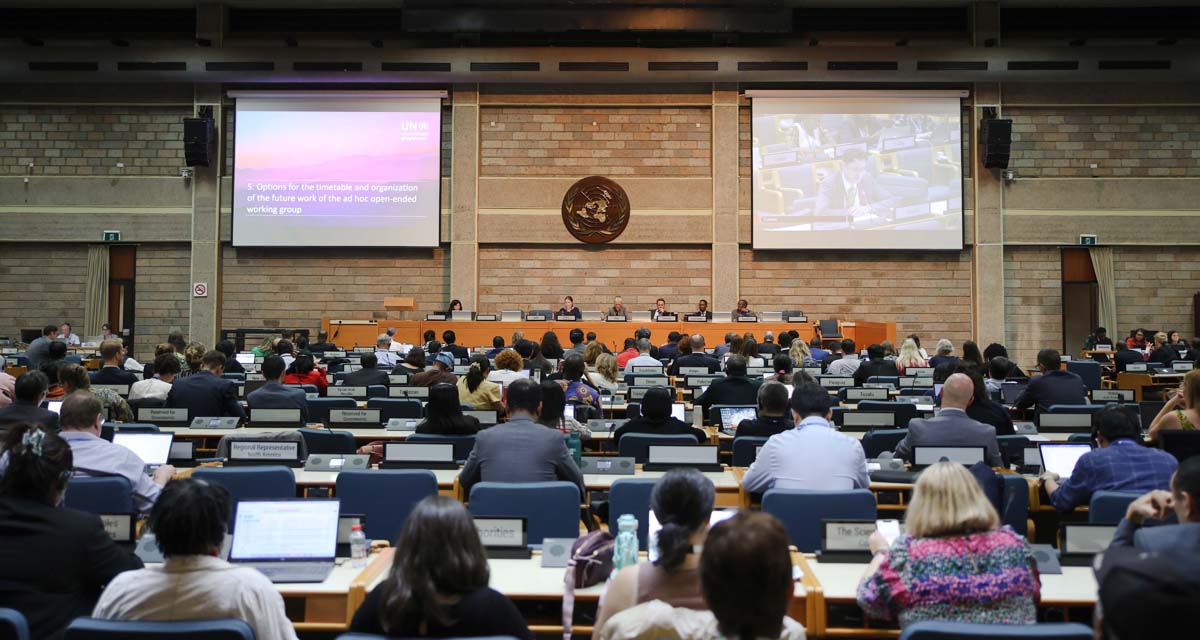 |
The BRS Secretariat participated in the ad-hoc open-ended working group on a science-policy panel to contribute further to the sound management of chemicals and waste and to prevent pollution
BRS Secretariat at the OEWG-2
The Basel, Rotterdam and Stockholm Conventions Secretariat participated in the second session of the ad hoc open-ended working group on a science-policy panel to contribute further to the sound management of chemicals and waste and to prevent pollution (OEWG-2), held from 11 to 15 December in Nairobi, Kenya.
Member States made significant progress, following extensive discussions on institutional arrangements, operating principles, conflict of interest, and other work-related processes and procedures. They have also discussed approaches for establishing strategic partnerships, including with relevant MEAs such as the BRS Conventions.
As decided by Parties in the last Conference of the Parties, BRS Secretariat is cooperating closely with the SPP Secretariat to promote coordination and cooperation, as well as complementarity and no duplication between the work of the panel and the three conventions.
The OEWG agreed on the future intersessional work on preparation of its third and final meeting scheduled to take place in Geneva, Switzerland, in June 2024.
|
 |
The BRS Secretariat engaged in COP28 in various events and shares its takeaways from the meeting on the contribution of the sound management of chemicals and wastes to climate action.
BRS at COP-28: How the sound management of chemicals and waste relates to climate action
COP28 concluded with a Landmark decision on the outcome of the first Global Stocktake under the Paris Agreement recognizing the “need for deep, rapid and sustained reductions in GHG emissions in line with the 1.5 °C pathways” and called on Parties to contribute to global efforts in eight specific areas, including to triple renewable energy targets, double energy efficiency goals, and to transition away from fossil fuels in energy systems. Other important outcomes relate, among other things, to establishing a Global Goal on Adaptation framework, and operationalizing the loss and damage fund. The COP28 messages set the expectations for the next round of nationally determined contributions.
The BRS Secretariat engaged in COP28 in various events and shares its takeaways from the meeting on the contribution of the sound management of chemicals and wastes to climate action.
- Waste management and the circular economy has a critical role in addressing climate change;
- Solid waste management and zero-waste initiatives allows for effective GHG emissions reductions, noting that waste is the largest anthropogenic source of methane (around 20% of global methane emissions), which is projected to growth significantly in the coming years;
- Global responsible trade of waste, in particular plastic wastes, promoted by international regulations, such as the Basel Convention, protects vulnerable countries from unwanted wastes that they would not be able to manage otherwise, and hence prevent GHG emissions from occurring;
- Circular approaches promoting waste prevention, re-use, recycling, and replacement of fossil fuels and feedstock by secondary raw materials will create significant GHG emissions reductions estimated to the magnitude of 20% reductions of global emissions;
- Some countries use their nationally determined contribution as a vehicle for addressing waste management at the national level and unlocking investment, through carbon finance, which allows the private sector to continue to innovate and improve their operations;
- Waste should be seen as a resource bringing environmental benefits (less waste to be disposed of resulting in fewer GHG emissions and pollution), economic opportunities (creation of green jobs and cost savings in value chains) and resource conservation (less demand for raw material extraction).
- The transition to a circular economy requires collaboration between businesses across the value chains, with suppliers and consumers. Governments at different levels have an important role to play to create the enabling conditions for a circular transition by promoting goals and targets, facilitate collaboration among sectors, development regulations, mobilizing financial resources.
- It is crucial for countries to increase their ambition in their next round of NDC to reach Paris Agreement’s goals and, for that, waste and resource management and circularity provide effective mitigation solutions. Tools exist to assist countries to further implement waste management, for instance through the implementation of the Basel, Rotterdam and Stockholm Conventions, the Waste Wise Cities Tool developed by UN-HABITAT and the Toolbox to integrate circularity into NDCs, developed by the One Planet Network.
- It is important to recognize the interlinkages between the triple planetary crisis of climate change, biodiversity loss and pollution and to work towards coordinated solutions. Further studies should be conducted on those linkages and co-benefits as well as outreach activities should be amplified.
The BRS Secretariat wishes to thank all partners which joined the various events being held to share their views and perspectives on how the sound management of chemicals and wastes provide effective solutions for climate action.
|
 |
BRS Secretariat engagement at the upcoming Climate Change COP28 to highlight the benefits of integrating the management of chemicals and waste and, circularity economy approaches, into climate actions.
BRS Secretariat at the Climate Change COP28
The 28th meeting of the Conference of the Parties (COP28) of the UN Framework Convention on Climate Change (UNFCCC) will convene from 30 November to 12 December 2023 in Dubai, United Arab Emirates.
COP28 will be a milestone moment for international climate action. It will undertake the first global stocktake (GST) which will assess progress towards meeting the Paris Agreement’s goals, including to limit global warming to well below 2°C, ideally 1.5°C. This will help align the efforts on climate action, including measures that need to be put in place to bridge the gaps to reach the Paris Agreement’s goals. As such, it is intended to inform the next round of national climate action plans - known as the “nationally determined contributions (NDCs)” - to be put forward by 2025. COP-28 website.
The Basel, Rotterdam and Stockholm conventions share the common objective of protecting human health and the environment from hazardous chemicals and wastes. However, their scope extends far beyond pollution. As recognized by the BRS COPs at their 2023 meetings, actions taken under the conventions may contribute to achieving the UNFCCC’s objectives. Scientific evidence of the interlinkages between chemicals, waste and climate change calls for a holistic approach in addressing the intertwined climate and pollution crises. Integrated actions have the potential to bring co-benefits for reducing emissions of greenhouse gases and releases of pollutants.
The Secretariat of the Basel, Rotterdam and Stockholm Conventions will actively engage at COP 28 to bring attention to the linkages between chemicals, wastes and climate change and potentials for integrated actions.
BRS Secretariat’s engagement programme at COP28
All event times are in Gulf Standard Time (GST - GMT+4).
|
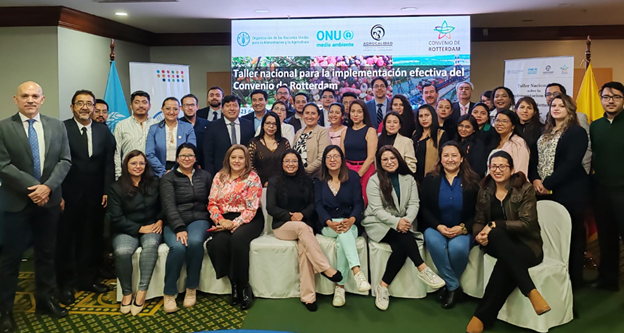 |
This national workshop provided the opportunity to review in detail the status of implementation of the Convention in Ecuador, exchange information about its national system and unite the institutions in charge of the management of chemicals and pesticides in the country.
National Workshop for the Implementation of the Rotterdam Convention in Ecuador
|