 |
The Chemical Review Committee at its 19th meeting recommended that chlorpyrifos and mercury be listed in Annex III to the Convention.
The Chemical Review Committee at its 19th meeting recommends adding chlorpyrifos and mercury to the Rotterdam Convention
The 19th Chemical Review Committee meeting recommended that chlorpyrifos and mercury be listed in Annex III to the Convention.
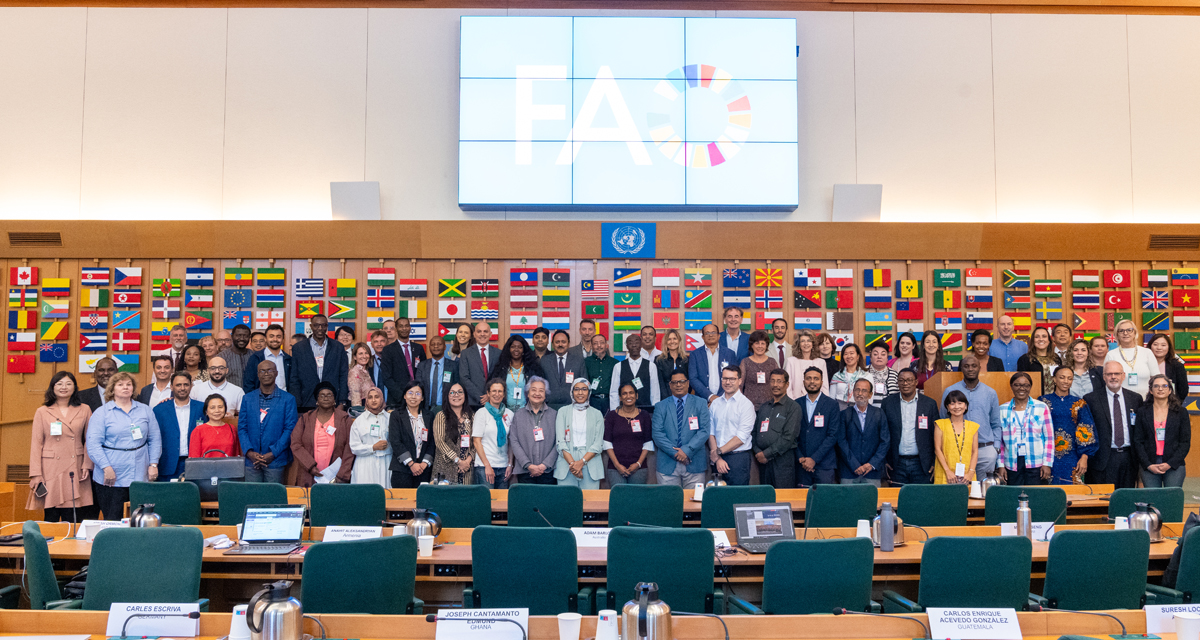
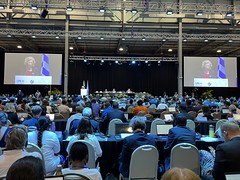
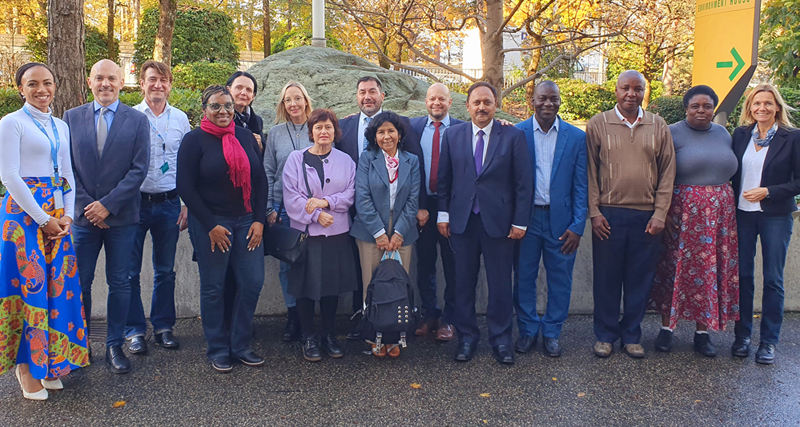
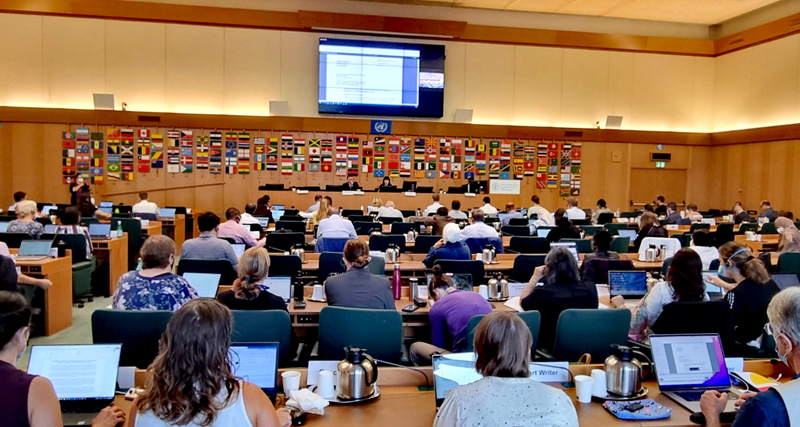
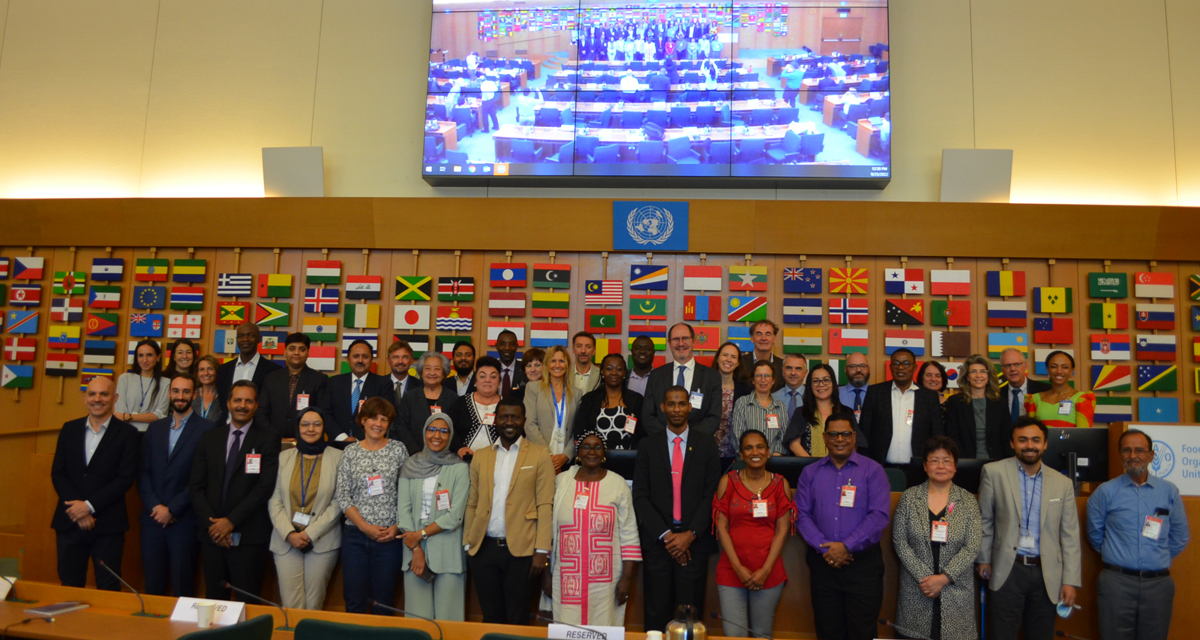
The 19th meeting of the Chemical Review Committee (CRC-19) of the Rotterdam Convention on the Prior Informed Consent Procedure for Certain Hazardous Chemicals and Pesticides in International Trade convened in Rome, Italy, from 3 to 6 October 2023. Held at the headquarters of the Food and Agriculture Organization of the United Nations (FAO), CRC-19 recommended that chlorpyrifos and mercury be listed in Annex III and thus become subject to the Prior Informed Consent (PIC) Procedure of the Rotterdam Convention. The CRC experts will now start developing draft decision guidance documents to accompany the recommendations on those chemicals to be considered by the Convention’s governing body, the Conference of the Parties.
CRC-19 was chaired by Ms. Noluzuko Gwayi from South Africa, leading the intense deliberations among twenty-eight government-designated experts in chemicals management present and elected by the Conference of the Parties. Seventy-one observers representing twenty-four governments and twenty-six non-governmental organisations also participated in the meeting.
The CRC experts also finalized two draft decision guidance documents on paraquat and methyl bromide, previously recommended for listing in Annex III at the Committee’s eighteenth meeting.
The recommendations on the listing of chemicals, together with their draft decision guidance documents, will be considered during the next meeting of the Conference of the Parties to the Rotterdam Convention (COP-12), which will be held in 2025 in Geneva. Should COP-12, based on the recommendations of the Committee, decide to amend Annex III to the Convention to list these chemicals, they will become subject to the PIC procedure. This enables the currently 165 Parties to the Rotterdam Convention to take informed decisions on potential future imports of these chemicals.
Chlorpyrifos is an insecticide widely used in agriculture. It is a highly toxic organophosphate insecticide known to have adverse effects on the nervous system, particularly to children and pregnant women, and genotoxic potential, hence posing significant health risks.
Mercury is used in particular in small-scale artisanal gold mining, as well as products such as lamps, batteries, medical and measuring devices and dental amalgam. It is a toxic heavy metal that, when absorbed into the human body, can cause severe neurological and developmental issues, as well as harm to the kidneys, lungs, and other vital organs. Mercury is subject to global regulation through the Minamata Convention, which aims to mitigate and reduce its environmental and human health impacts.
Methyl bromide, historically used as a soil fumigant and pest control agent in agriculture, is known for its high toxicity to humans and the environment. Due to its adverse environmental impacts and ozone-depleting properties, methyl bromide has been listed as a controlled substance under the Montreal Protocol, leading to efforts to phase out its production and use worldwide.
Paraquat is widely used as a herbicide to control weeds in agriculture. Paraquat is highly toxic, primarily affecting the lungs, skin, and other internal organs, with ingestion or inhalation leading to severe health risks, including pulmonary fibrosis and organ failure.
The Rotterdam Convention promotes shared responsibility and facilitates cooperative efforts among its Parties to protect human health and the environment from the adverse effects of hazardous chemicals and pesticides.
NOTES TO EDITORS
The Secretariat of the Basel, Rotterdam and Stockholm Conventions (BRS Secretariat) brings together the three leading multilateral environmental agreements that share the common objective of protecting human health and the environment from hazardous chemicals and wastes.
http://www.brsmeas.org/
For information on pesticides under the Rotterdam Convention, contact: Christine Fuell, Executive Secretary a.i. of the Rotterdam Convention, christine.fuell@fao.org
For information on industrial chemicals under the Rotterdam Convention, contact: Abiola Olanipekun, Chief, Science and Technical Assistance Branch, abiola.olanipekun@un.org
For media inquiries, contact: Asana Greenstreet, BRS Secretariat Public Information Officer, asana.greenstreet@un.org
|
 |
After two weeks of intense negotiations, the 2023 meetings of the Conferences of the Parties to the Basel, Rotterdam and Stockholm Conventions, the three leading multilateral environmental agreements for the sound management of chemicals and waste, came to a close on Friday close to midnight having gavelled bold decisions strengthening the sound management of chemicals and wastes for the protection of human health and the environment.
Governments accelerate action and take bold decisions to address pollution from chemicals and wastes
Geneva, 15 May 2023
After two weeks of intense negotiations, the 2023 meetings of the Conferences of the Parties to the Basel, Rotterdam and Stockholm Conventions, the three leading multilateral environmental agreements for the sound management of chemicals and waste, came to a close on Friday close to midnight having gavelled bold decisions strengthening the sound management of chemicals and wastes for the protection of human health and the environment.
Over 2000 delegates representing 180 countries attended the meetings of the conferences of the Parties to the Basel, Rotterdam and Stockholm conventions, which were held in Geneva from 1 to 12 May 2023, and took important decisions including the listing for elimination of three new chemicals that have been determined as posing significant risks to human health and the environment under the Stockholm Convention, making an additional pesticide subject to the Prior Informed Consent procedure for imports and exports under the Rotterdam Convention, and the adoption of technical guidelines on the environmentally sound management of plastic waste, POPs waste and e-waste under the Basel Convention. Furthermore the adoption of procedures and mechanisms on compliance by the Stockholm Convention on Persistent Organic Pollutants (POPs), marked a historical achievement after two decades of work.
The Listing of Persistent Organic Pollutants (POPs) and Further Development of the Stockholm Convention
The Conference of the Parties to the Stockholm Convention took the decision to eliminate the use of three persistent organic pollutants, namely the pesticide methoxychlor and the industrial chemicals Dechlorane Plus and UV-328, by listing these chemicals in Annex A to the Convention.
Methoxychlor has been used as a replacement for DDT against a wide range of pests including biting flies, houseflies, mosquito larvae, cockroaches and chiggers on field crops, fruit, vegetables, ornamentals as well as on livestock and pets. It is
known to be very highly toxic to invertebrates and fish, including through its
endocrine-disrupting effects, and has been detected in the environment and biota in
the Arctic and in Antarctica, far from its production and use. Methoxychlor has also
been detected in human serum, adipose tissues, umbilical cord blood and human
breast milk.
Dechlorane Plus is a flame retardant and UV-328 a UV absorbent, both chemicals
are heavily used as plastic additives, such as for motor vehicles, industrial machines
and in medical devices.
Governments also adopted the monitoring results that indicate that regulations
targeting POPs have succeeded in reducing levels of POPs in humans and the
environment. For the initial 12 POPs, concentrations measured in air and in human
populations have declined and continue to decline or remain at low levels due to
restrictions on POPs; and for the newly listed POPs, concentrations start showing
decreasing levels.
The Conference of the Parties also requested the POPs Review Committee, the
scientific body under the Convention, to make recommendations regarding options
for identifying persistent organic pollutants in stockpiles, products and articles in use
and in wastes.
The report on the second effectiveness evaluation of the Stockholm Convention
was launched. It highlights that the Convention provides an effective and dynamic
framework for regulating persistent organic pollutants throughout their life cycle,
addressing the production, use, import, export, release, and disposal of these
chemicals worldwide, and that progress has occurred since the first evaluation in
2017.
With the adoption of procedures and mechanisms on compliance, the
Conference of the Parties has finally put in place the last institution required under
the Stockholm Convention. The procedures and mechanisms, which will be operated
by a Compliance Committee, will help Parties in fulfilling their obligations under the
Convention by both examining systemic issues of interest to all Parties and
challenges faced by individual Parties.
Listing of Chemicals and Enhancing the Effectiveness of the Rotterdam
Convention
The eleventh meeting of the Conference of the Parties to the Rotterdam Convention
agreed to the listing of the pesticide terbufos for which an extremely high hazard to
terrestrial organisms had been identified. This listing will make terbufos subject to the
Prior Informed Consent procedure, thereby granting Parties to the Convention the right
to decide on its future import.
Many delegates commended the Chemical Review Committee on its excellent work
and recognized that an increasing number of notifications get to the agenda of this
subsidiary body of the convention.
The Conference of the Parties also held intensive debates on ways to enhance the
effectiveness of the Rotterdam Convention. Agreement was reached to further
address the impacts regarding listing of chemicals to Annex III and its implementation,
while a proposal to amend the Convention with an additional Annex to facilitate
information exchange for chemicals and pesticides which have been recommended
by the Chemical Review Committee for listing but which have not been listed by the
Conference of the Parties was rejected.
Basel Convention: Technical Guidelines for the Environmentally Sound
Management of Wastes
The sixteenth meeting of the Conference of the Parties to the Basel Convention
adopted technical guidelines for the environmentally sound management of plastic
waste, which reflect the first global understanding of how to minimize the generation
of plastic wastes and to ensure that their collection, transport and disposal minimize
negative impacts on human health and the environment. The Conference of the
Parties also adopted technical guidelines on wastes containing or contaminated with
persistent organic pollutants, and, again on an interim basis, technical guidelines on
transboundary movements of electronic and electrical waste and used electrical and
electronic equipment in particular regarding the distinction between waste and nonwaste
under the Basel Convention and welcomed the technical guidelines on the
environmentally sound management of waste lead-acid batteries. The Technical
Guidelines are meant to provide guidance to countries which are building their
capacity to manage waste in an environmentally and efficient way and in their
development of detailed procedures, waste management plans or strategies.
Speaking at the closing of the PCB Fair held in the margins of the meetings, Mr
Rolph Payet, Executive Secretary of the Basel, Rotterdam and Stockholm
Conventions stressed the need for countries to accelerate action to meet the
upcoming deadlines related to the elimination of the use of polychlorinated biphenyls
(PCB) in equipment by 2025 and the environmentally sound waste management of
liquids containing PCB and equipment contaminated with PCB by 2028 under the
Stockholm Convention on Persistent Organic Pollutants. PCB have historically been
used in industry as heat exchange fluids, in electric transformers and capacitors, and
as additives in paint, carbonless copy paper, and plastics. PCBs are toxic to fish,
killing them at higher doses and causing spawning failures at lower doses. Research
also links PCBs to reproductive failure and suppression of the immune system in
various wild animals, such as seals and mink.
Τhe three conferences closed with a further strengthened mandate for international
cooperation with other organizations, including the Minamata Convention on
mercury, as well as in support of the recently adopted resolutions by the United
Nations Environment Assembly to forge a new international legally binding
agreement to end plastic pollution, and to establish a science policy panel to
contribute further to the sound management of chemicals and waste and prevent
pollution.
Promoting action on making visible the invisible, to address the triple planetary crises
on pollution, climate change and biodiversity loss, the three conferences also further
strengthened the mandate for international cooperation with other organizations,
including with the Convention on Biological Diversity and its Global Kunming-Montreal
Biodiversity Framework, and noted that actions under the BRS conventions may
contribute to achieving the objectives of the United Nations Framework Convention on
Climate Change.
Notes for Editors:
The Secretariat of the Basel, Rotterdam, and Stockholm conventions, or BRS Secretariat, supports
Parties implement the three leading multilateral environment agreements governing chemicals and
waste management, to protect human health and the environment. See www.brsmeas.org for more
information and follow the @brsmeas twitter feed for daily news.
The Basel Convention on the Control of Transboundary Movements of Hazardous Waste and
their Disposal is the most comprehensive international environmental agreement on hazardous and
other wastes and is almost universal, with 190 Parties. With an overarching objective of protecting
human health and the environment against the adverse effects of hazardous wastes and other wastes,
its scope covers a wide range of wastes defined as “hazardous” based on their origin and/or
composition and characteristics, as well as other types of wastes requiring special consideration,
including household waste, incinerator ash, and plastics wastes. See www.basel.int
The Rotterdam Convention on the Prior Informed Consent Procedure (PIC) for Certain
Hazardous Chemicals and Pesticides in International Trade, is jointly administered by the United
Nations Food and Agriculture Organization (FAO) and UN Environment (UNEP). The 165 Parties to this
legally-binding Convention share responsibility and cooperate to safely manage chemicals in
international trade. To date 54 chemicals and pesticides and formulations are listed in its Annex III. The
Convention does not introduce bans but facilitates the exchange of information among Parties on
hazardous chemicals and pesticides, and their potential risks, to inform and improve national decision
making. In addition, through the PIC Procedure, it provides a legally-binding mechanism to support
national decisions on the import of selected chemicals and pesticides in order to minimize the risk they
pose to human health and the environment. See www.pic.int
The Stockholm Convention on Persistent Organic Pollutants is a global treaty to protect human health and the environment from chemicals that remain intact in the environment for long periods, become widely distributed geographically, accumulate in the fatty tissue of humans and wildlife, and have harmful impacts on human health or on the environment. Exposure to Persistent Organic Pollutants (POPs) can lead to serious health effects including certain cancers, birth defects, dysfunctional immune and reproductive systems, greater susceptibility to disease and damage to the central and peripheral nervous systems. The Convention requires its Parties to take measures to eliminate or reduce the release of POPs into the environment. As of today, this legally-binding Convention has 186 Parties, giving it almost universal coverage. To date, 34 chemicals of global concern have been listed under the Stockholm Convention. See www.pops.int
For more information, please contact:
For media enquiries:
Maria Cristina Cardenas, Secretariat of the Basel, Rotterdam and Stockholm conventions (UNEP), Geneva: +41-79-477 0886, maria-cristina.cardenas@un.org.
Christine Fuell, Secretariat of the Rotterdam Convention (FAO), Christine.fuell@fao.org.
|
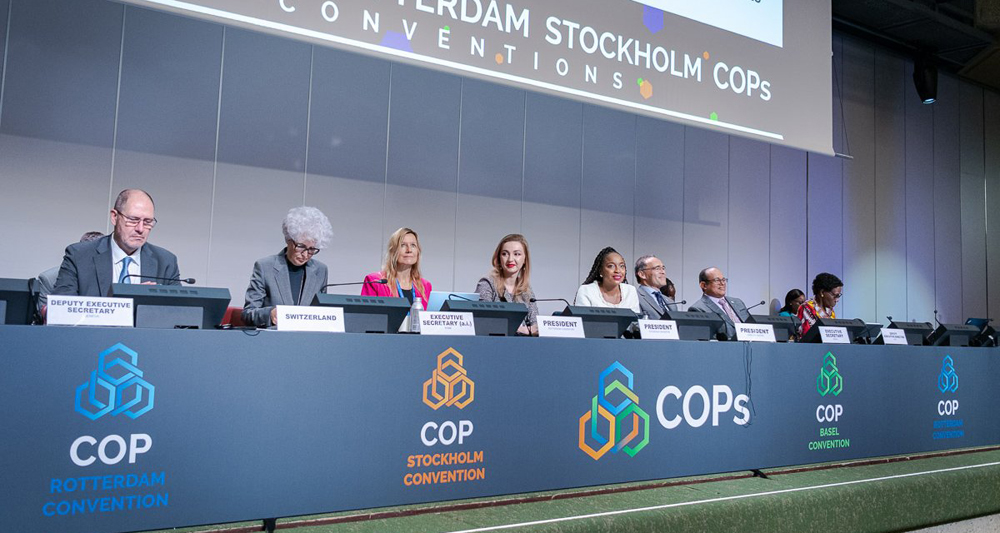 |
Over 2000 delegates from around the globe gather in Geneva, Switzerland, to accelerate action to curb pollution from chemicals and waste.
Delegates gather in Geneva, Switzerland to accelerate action to curb pollution from chemicals and waste
Geneva, 01 May 2023
Under the theme “Accelerating Action: Targets for the Sound Management of Chemicals and Waste”, over 2000 delegates from around the globe gather in Geneva, Switzerland for two weeks. They will take further key decisions to address pollution, and achieve the objectives of the Basel, Rotterdam and Stockholm conventions, the three leading multilateral environmental agreements for the sound management of chemicals and waste.
The meetings of the conferences of the Parties to the Basel, Rotterdam and Stockholm conventions, which are being held in Geneva from 1 to 12 May 2023, are expected to make progress on key issues under the conventions. These are for example listing of new chemicals, that are determined as posing serious concerns to human health and the environment, for elimination under the Stockholm Convention; subjecting additional chemicals and pesticides to the Prior Informed Consent procedure and considering an amendment proposal concerning the listing process under the Rotterdam Convention. Finally the development of technical guidelines on the environmentally sound management of plastic waste, POPs waste and e-waste under the Basel Convention.
Speaking at the opening session of the BRS COPs, Rolph Payet, Executive Secretary (UNEP) of the three conventions, underscored that “the polychlorinated biphenyls (PCB) targets under the Stockholm Convention, to eliminate the use of PCB in equipment by 2025 and to achieve the environmentally sound management of liquids containing PCB and equipment contaminated with PCB by 2028, are just around the corner! It is thus imperative for the international community, donors and the funding institutions to accelerate action to assist Parties in achieving these targets”.
Listing of Persistent Organic Pollutants (POPs) and Further Development of the Stockholm Convention
Three new chemicals are proposed for listing in Annex A, B or C to the Stockholm Convention namely the pesticide: methoxychlor and the industrial chemicals Dechlorane Plus and UV-328. Methoxychlor has been used as a replacement for DDT against a wide range of pests including biting flies, houseflies, mosquito larvae, cockroaches and chiggers on field crops, fruit, vegetables, ornamentals as well as on livestock and pets. It is known to be very highly toxic to invertebrates and fish, including through its endocrine-disrupting effects, and has been detected in the environment and biota in the Arctic and in Antarctica, far from its production and use. Methoxychlor has also been detected in human serum, adipose tissues, umbilical cord blood and human breast milk.
Dechlorane Plus is a flame retardant and UV-328 a UV absorbent, both chemicals are heavily used as plastic additives, including for uses that require time to be phased out, such as for motor vehicles, industrial machines and in medical devices. For that reason, the POPRC-18 recommendations included time-limited specific exemptions. The three chemicals are proposed for listing based on a robust review process addressing risks, management options and alternatives by the UN’s POPs Review Committee.
Amongst other key issues, the eleventh meeting of the Conference of the Parties to the Stockholm Convention will also discuss the development of compliance procedures and mechanisms, review a range of recommendations stemming from the second evaluation of the effectiveness of the Stockholm Convention, evaluate the continued need to use DDT for disease vector control, based on the report on the work of the DDT expert group; the report on progress towards the elimination of PCB, and the draft strategy to meet the 2025 and 2028 goals to eliminate PCB set out in the Stockholm Convention.
Listing of Chemicals and Enhancing the Effectiveness of the Rotterdam Convention
The eleventh meeting of the Conference of the Parties to the Rotterdam Convention (RC COP-11) will consider the listing of four pesticides, two severely hazardous pesticide formulations, and one industrial chemical into Annex III to the Convention. Among them are the fungicide iprodion with a high long-term risk to aquatic organisms, and the insecticide terbufos for which an extremely high hazard to terrestrial organisms was identified. Both will be considered for the first time by this COP.
The Rotterdam Convention on the Prior Informed Consent (PIC) Procedure for Certain Hazardous Chemicals and Pesticides in International Trade enables parties to take informed decisions on future imports of chemicals and pesticides that have been listed in its Annex III. Through the subsequent PIC procedure parties will benefit from a structured information exchange that contributes to the environmentally sound use of those hazardous chemicals. “Managing safely such hazardous chemicals and pesticides will is one of the main objectives of the Rotterdam Convention and at the same time contributes to the achievement of target 7 of the Kunming-Montreal Global Biodiversity Framework adopted in December 2022” highlighted Christine Fuell, ad interim Executive Secretary of the Rotterdam Convention.
The meeting will also consider, among other important items, an amendment proposal co-sponsored by Australia, Burkina Faso, Colombia, Georgia, Ghana, Mali, Nigeria, Norway, Peru, Republic of Maldives, Switzerland and Togo to enhance the effectiveness of the Convention by creating a pathway for listing chemicals under the Convention in a new Annex VIII when all efforts to reach consensus to list them in Annex III have failed. Finally, the Conference of the Parties will hear about the progress achieved by the Rotterdam Convention Compliance Committee which launched its work in 2022.
Technical guidelines for the sound management of wastes
The sixteenth meeting of the Conference of the Parties to the Basel Convention will consider the potential adoption of technical guidelines for the environmentally sound management of plastic waste, as well as wastes containing or contaminated with persistent organic pollutants. Parties will consider recommendations from the Implementation and Compliance Committee to improve Parties’ compliance with a range of obligations under the Convention, including progress achieved to reach national reporting targets. Parties will also discuss possible ways to improve the functioning of the Prior Informed Consent (PIC) procedure, which is the corner stone of the Basel Convention regime to control transboundary movements of wastes, electronic approaches to the notification and movement documents and work on further clarifying the disposal operations and hazardous wastes covered by the Convention. Progress on the work under the Convention’s partnerships, focusing on electronic and electrical waste, plastic waste and household waste, as well as on preventing and combatting illegal traffic in hazardous and other wastes will be presented to the Conference of the Parties.
Notes for Editors:
The Secretariat of the Basel, Rotterdam, and Stockholm conventions, or BRS Secretariat, supports Parties implement the three leading multilateral environment agreements governing chemicals and waste management, in order to protect human health and the environment. See www.brsmeas.org for more information and follow the @brsmeas twitter feed for daily news.
The Basel Convention on the Control of Transboundary Movements of Hazardous Waste and their Disposal is the most comprehensive international environmental agreement on hazardous and other wastes and is almost universal, with 190 Parties. With an overarching objective of protecting human health and the environment against the adverse effects of hazardous wastes and other wastes, its scope covers a wide range of wastes defined as “hazardous” based on their origin and/or composition and characteristics, as well as other types of wastes requiring special consideration, including household waste, incinerator ash, and plastics wastes. See www.basel.int
The Rotterdam Convention on the Prior Informed Consent Procedure (PIC) for Certain Hazardous Chemicals and Pesticides in International Trade, is jointly administered by the United Nations Food and Agriculture Organization (FAO) and UN Environment (UNEP). The 165 Parties to this legally-binding Convention share responsibility and cooperate to safely manage chemicals in international trade. To date 54 chemicals and pesticides and formulations are listed in its Annex III. The Convention does not introduce bans but facilitates the exchange of information among Parties on hazardous chemicals and pesticides, and their potential risks, to inform and improve national decision making. In addition, through the PIC Procedure, it provides a legally-binding mechanism to support national decisions on the import of selected chemicals and pesticides in order to minimize the risk they pose to human health and the environment. See www.pic.int
The Stockholm Convention on Persistent Organic Pollutants is a global treaty to protect human health and the environment from chemicals that remain intact in the environment for long periods, become widely distributed geographically, accumulate in the fatty tissue of humans and wildlife, and have harmful impacts on human health or on the environment. Exposure to Persistent Organic Pollutants (POPs) can lead to serious health effects including certain cancers, birth defects, dysfunctional immune and reproductive systems, greater susceptibility to disease and damage to the central and peripheral nervous systems. The Convention requires its Parties to take measures to eliminate or reduce the release of POPs into the environment. As of today, this legally-binding Convention has 186 Parties, giving it almost universal coverage. To date, 31 chemicals of global concern have been listed under the Stockholm Convention. See www.pops.int
For more information, please contact:
Maria Cristina Cardenas, Secretariat of the Basel, Rotterdam and Stockholm conventions (UNEP), Geneva: +41-79-477 0886, maria-cristina.cardenas@un.org
Christine Fuell, Secretariat of the Rotterdam Convention (FAO), Christine.fuell@fao.org
|
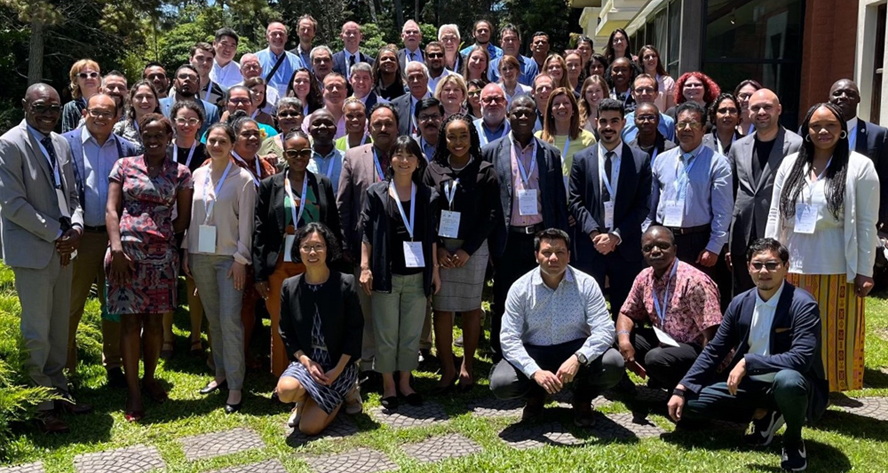 |
Representatives from 120 countries, industry and civil society meet under the Basel Convention’s Plastic Waste Partnership in Uruguay, ahead of the inaugural session of the Intergovernmental Negotiating Committee to develop an international legally binding instrument on plastic pollution.
Heart of international action to address plastic pollution beats in South America
Representatives from 120 countries, industry and civil society meet under the Basel Convention’s Plastic Waste Partnership in Uruguay, ahead of the inaugural session of the Intergovernmental Negotiating Committee to develop an international legally binding instrument on plastic pollution.
From 23 to 25 November 2022, the members of the Basel Convention’s Plastic Waste Partnership (PWP) convened in Punta del Este, Uruguay, to discuss plastic waste prevention, elimination of hazardous constituents in plastic products, trade control of plastic waste, promotion of the environmentally sound collection, separation and recycling of plastic waste, and to plan the PWP’s work for the 2024-25 biennium.
“I was delighted to see that the PWP’s membership keeps growing, we are now up to 265 representatives from over 120 government, industry and civil society entities from around the world, all dedicated to successfully tackling the plastic waste crisis,” noted in his opening remarks the Executive Secretary of the Basel, Rotterdam and Stockholm (BRS) Conventions, Rolph Payet.
Established under the Basel Convention on the Control of Transboundary Movements of Hazardous Wastes and their Disposal in 2019, the PWP aims to significantly reduce and ultimately eliminate the discharge of plastic waste and microplastics into the environment – particularly, in marine ecosystems. To that end, PWP members work to foster best practice solutions for the environmentally sound management of plastic waste by building on the existing body of knowledge at the local, regional and global levels.
One of the flagships of the PWP is its pilot project programme, through which 23 projects in 22 countries have so far been selected for implementation. The new round of proposals will seek to include pilot projects with a regional focus.
“Following this year’s second call for proposals, we are evaluating over 100 projects in countries where the need for action is greatest. We expect this round of to focus on innovative projects that both scalable and replicable in other country settings,” said the PWP Working Group Co-chair, Ross Bartley, from the Bureau of International Recycling.
On the occasion of the third PWP meeting, the BRS Secretariat launched the digital version of a photography book, featuring the finalist entries of the PWP’s Plastic is Forever (so it’s time to get clever about managing it) photo competition. People from all around the world entered the competition to share images depicting how plastic pollution is affecting their daily lives. All photographs were previously displayed in photo exhibitions held in Geneva and online, on the UN Exhibits website. The three competition winners were announced in June 2022 during the Plastics Forum, held in the margins of the 2021/2022 meetings of the Conferences of the Parties to the BRS Conventions.
Following the third PWP meeting, delegates from around the world gather for the first session of the Intergovernmental Negotiating Committee (INC) to develop an international legally binding instrument on plastic pollution, including in the marine environment. The INC meeting takes place in Punta del Este, from 28 November to 2 December, after the adoption of the relevant historic resolution during resumed fifth session of the United Nations Environment Assembly. With the ambition of completing negotiations by end of 2024, the INC will consider how to promote sustainable production and consumption of plastics from product design to environmentally sound waste management, through resource efficiency and circular economy approaches.
The BRS Secretariat is participating in the INC to closely cooperate and coordinate with the United Nations Environment Programme. Through the Plastic Waste Amendments, the Basel Convention is currently the only international treaty to legally bind countries to minimise the generation of plastics wastes, strictly control their transboundary movements, and ensure their environmentally sound management. In addition, the Stockholm Convention controls several hazardous chemicals used in plastics, and requires countries to manage waste with such chemicals in an environmentally sound manner. Thanks to support from Norway, the Secretariat is undertaking a study to map the global governance landscape of plastics and associated chemicals, and to identify governance gaps and complementarities with existing multilateral instruments. The study is set to provide possible considerations for the role of a new plastics instrument in regulating plastics and associated chemicals. The draft report is available for comments by 10 January 2023.
Looking to raise awareness among youth of the initiatives taken by the international community to curb and eliminate plastic waste pollution, the BRS Secretariat launched the Plastic is Forever Tik Tok challenge during the INC conference. Top players will be awarded a hard copy of the Plastic is Forever photography book.
The third meeting of the PWP working group was co-organised by the BRS Secretariat and the Basel and Stockholm Conventions Regional Centre in Uruguay (BCCC-SCRC Uruguay), thanks to the generous support of the European Union and Norway.
NOTES TO EDITORS
The Secretariat of the Basel, Rotterdam and Stockholm Conventions (BRS Secretariat) brings together the three leading multilateral environmental agreements that share the common objective of protecting human health and the environment from hazardous chemicals and wastes
https://www.brsmeas.org/
The Basel Convention on the Control of Transboundary Movements of Hazardous Wastes and their Disposal aims to protect people and the environment from the negative effects of the environmentally unsound management of hazardous wastes and other wastes worldwide.
https://www.basel.int/
More information on the Plastic is Forever campaign is available below:
https://trello.com/b/6wO64kva/plastic-is-forever
For more information on the Basel Convention Plastic Waste Partnership, contact: BRS Programme Officer, Susan Wingfield, susan.wingfield@un.org
For media inquiries, contact: BRS Associate Public Information Officer, Marisofi Giannouli, marisofi.giannouli@un.org
Photo galleries
| PWP-3 |
|
INC-1 |
 |
|
 |
|
 |
The Rotterdam Convention Compliance Committee successfully concluded its inaugural meeting on 18 November 2022, following three days of intense deliberations.
Rotterdam Convention Compliance Committee meets for the first time
The Rotterdam Convention Compliance Committee successfully concluded its inaugural meeting on 18 November 2022, following three days of intense deliberations.
Established in 2019 with the adoption of an additional Annex VII of the Rotterdam Convention, the Rotterdam Convention Compliance Committee (RCCC-1) addresses possible challenges faced by Parties in fulfilling their basic obligations and facilitates their compliance to the Convention. In its first meeting, the Committee considered its mandate, and reviewed systemic issues of general compliance, including notifications of final regulatory actions, and exports of chemicals listed in Annex III to the Convention. RCCC-1 also began working on collecting information from the Rotterdam Convention Parties with respect to submitting import responses.
“The concrete outcomes of the Committee’s first ever meeting are highly encouraging: Members hit the ground running from the start and are making every effort to ensure their work responds to Parties’ needs,” said the Executive Secretary of the Basel, Rotterdam and Stockholm Conventions, Mr Rolph Payet.
The Rotterdam Convention Compliance Committee adopted a draft programme of work for 2024-2025, which will be considered in May 2023 by the 11th meeting of the governing body of the Convention, the Conference of the Parties.
"We hope that work initiated by the Compliance Committee will increase the awareness that complying with the Convention is to everybody’s benefit and will strongly contribute to the protection of human health and the environment,” stated Food and Agriculture Organization (FAO) Senior Technical Officer Christine Fuell, speaking on behalf of the Executive Secretary Mr. Rémi Nono Womdim.
RCCC-1 was held back-to-back with the 15th meeting of the Basel Convention Implementation and Compliance Committee. Apart from their individual sessions, the two Committees also held a joint session on issues of common interest. Following a rich discussion, Committee Members agreed on the modalities to enhance their cooperation.
According to RCCC-1 Chair Osvaldo Álvarez-Pérez (Chile), “The first meeting of the Rotterdam Convention Compliance Committee was a resounding success!” Mr Álvarez-Pérez went on to add that “Beginning the work of the Committee is an exciting time to forge a new path, building on what we’ve learned from the past.”
The Rotterdam Convention Compliance Committee benefits from generous financial support provided by Germany and Switzerland.
NOTES
The Rotterdam Convention on the Prior Informed Consent Procedure for certain hazardous chemicals and pesticides in international trade is jointly administered by the United Nations Food and Agriculture Organization (FAO) and the United Nations Environment Programme (UNEP). The 165 Parties to this legally binding Convention share responsibility and cooperate to safely manage chemicals in international trade. To date, 54 hazardous chemicals and pesticides are listed in its Annex III, making their international trade subject to a prior informed consent (PIC) procedure.
The Rotterdam Convention Compliance Committee deals with specific submissions relating to the compliance of an individual Party and reviews systemic issues of general compliance.
The Secretariat of the Basel, Rotterdam, and Stockholm Conventions (BRS Secretariat) brings together three leading multilateral environment agreements that share the common objective of protecting human health and the environment from hazardous chemicals and waste.
For questions on the Compliance Committee, contact: Yvonne Ewang-Sanvincenti, Legal Officer, BRS Secretariat, yvonne.ewang-sanvincenti@un.org; Christine Fuell, Senior Technical Officer, christine.fuell@fao.org.
For media inquiries, contact: Marisofi Giannouli, BRS Associate Public Information Officer, marisofi.giannouli@un.org.
|
 |
Experts from around the world worked on draft risk profiles and draft risk management evaluations to determine whether to recommend that a series of chemicals fulfil the criteria to be considered Persistent Organic Pollutants under the Stockholm Convention.
POPRC-18 concludes with recommendations to list Dechlorane Plus and UV-328, and news of Italy becoming a Party to the Stockholm Convention
|
 |
BRS Secretariat becomes a member of the Mountain Partnership and co-organises side event at the 6th Global Mountain Partnership Meeting.
Responding to the call of the mountains with action
In September 2022, the Secretariat of the Basel, Rotterdam and Stockholm Conventions (BRS Secretariat) became a member of the Mountain Partnership, the United Nations voluntary alliance dedicated to improving the lives of mountain peoples, and protecting mountain environments around the world. The BRS Executive Secretary, Rolph Payet, welcomed the induction, noting that “Achieving sustainable development in mountains is a chance we have to take and win, as we want to achieve the Global Goals and leave no one behind.”
To mark the occasion, the BRS Secretariat participated in the 6th Global Meeting of the Mountain Partnership, which was held from 26 to 28 September 2022, in Aspen, Colorado. Organised every four years, these global meetings, serve as an opportunity for Mountain Partnership members to network and forge meaningful alliances that foster building up the resilience of mountain communities and ecosystems, within the framework of the 2030 Agenda for Sustainable Development. This year’s Global Meeting of the Mountain Partnership is organized against the backdrop of the International Year of Sustainable Mountain Development 2022 and the 77th session of the United Nations General Assembly.
During the Meeting, the BRS Secretariat organized the “Keeping our Mountains Waste-Free” side event in partnership with the United Nations Environment Programme, GRID-Arendal and the International Climbing and Mountaineering Federation. Drawing from the Plastic Waste in Remote and Mountainous Areas project, the side event focused on enabling policymakers, national park managers and tourists to preserve mountain ecosystems and protect local communities from pollution. The Plastic Waste in Remote and Mountainous Areas project is financed by the Governments of France and Norway and the Norwegian Agency for Development Cooperation. Lesotho, Mauritius, Nepal, North Macedonia, and Peru are the first Parties to the Basel Convention to benefit from the project as pilot countries.
NOTES TO EDITORS
The Secretariat of the Basel, Rotterdam and Stockholm Conventions (BRS Secretariat) brings together the three leading multilateral environmental agreements that share the common objective of protecting human health and the environment from hazardous chemicals and wastes.
https://www.brsmeas.org/.
The Basel Convention on the Control of Transboundary Movements of Hazardous Wastes and their Disposal, aims to protect people and the environment from the negative effects of the inappropriate management of hazardous wastes worldwide.
https://www.basel.int/
The Rotterdam Convention on the Prior Informed Consent Procedure for Certain Hazardous Chemicals and Pesticides in International Trade provides countries with a first line of defence against hazardous chemicals by facilitating information exchange about their characteristics.
https://www.pic.int/.
The Stockholm Convention on Persistent Organic Pollutants looks to protect human health and the environment from highly dangerous, long-lasting chemicals by restricting and ultimately eliminating their production, use, trade, release and storage.
https://chm.pops.int/.
For information on the Plastic Waste in Remote and Mountainous Areas, contact: Jost Dittkrist, BRS Programme Management Officer, jost.dittkrist@un.org.
For media inquiries, contact: Marisofi Giannouli, BRS Associate Public Information Officer, marisofi.giannouli@un.org.
|
 |
The 18th Chemical Review Committee recommended that methyl bromide and paraquat be listed under Annex III to the Convention.
Rotterdam Convention scientific committee successfully concludes its review of hazardous pesticides
|
 |
Legendary Hollywood actor Pierce Brosnan and Paris Brosnan, a filmmaker and environmental activist, have joined forces with the BRS Conventions to draw attention to the need for plastic waste management. Their PSA video is part of the Plastic is Forever campaign.
Pierce Brosnan and his son, Paris Brosnan, launch video appeal to tackle plastic waste pollution
Legendary Hollywood actor Pierce Brosnan and Paris Brosnan, a filmmaker and environmental activist, have joined forces with the Basel, Rotterdam and Stockholm Conventions (BRS Conventions) to draw attention to the need for plastic waste management. Their PSA video is part of the Basel Convention “Plastic is Forever…so it’s time to get clever about managing it!” campaign.
In the video, the Brosnans remark on the almost infinite life cycle of plastic, which typically takes hundreds of years to disintegrate, breaking down into microparticles that have been detected in the air, water, and even in human placentas.
“Our campaign slogan was born out of the need to show that not all is bleak when it comes to global environmental governance,” said Rolph Payet, Executive Secretary of the BRS Secretariat. “We want to raise awareness of the work put in place by the international community, and the tangible results we are achieving while trying to tackle the plastic waste crisis.”
The BRS Conventions are three multilateral environmental agreements administered by the United Nations Environment Programme, focused on protecting people and the environments from hazardous chemicals and wastes. The Basel Convention is the only international treaty that legally binds 189 countries in implementing strict controls for the transboundary movement of plastics. The Basel Convention Plastic Waste Amendments are a steppingstone towards forging an international legally binding agreement to end plastic pollution.
“We wholeheartedly welcome the gracious contributions of Pierce Brosnan and Paris Brosnan to inform the general public about the constantly evolving state of the global plastic waste crisis and the tools we have at our disposal to address it,” noted Payet. “Hopefully, their millions of fans – including decision-makers – will be inspired by their message and engage in the minimization and management of plastic waste.”
The release of the Plastic is Forever promotional videos coincided with the conclusion of the 2022 BRS Conferences of Parties (BRS COPs). The campaign also includes a photo competition, a hackathon, a social media challenge (plastic in the sea and plastic on mountains), and an illuminations show that took place in Geneva’s Palais des Nations during the BRS COPs.
The PSA video featuring Paris and Pierce Brosnan was produced by Keely Brosnan on behalf of The Krim Group and Special Order. Special thanks to Nancy Forner, ACE for assisting with post-production.
NOTES TO EDITORS
The Secretariat of the Basel, Rotterdam and Stockholm Conventions (BRS Secretariat) brings together the three leading multilateral environmental agreements that share the common objective of protecting human health and the environment from hazardous chemicals and wastes.
https://www.brsmeas.org/
Communication material is available on the Plastic is Forever Trello: https://trello.com/b/6wO64kva/plastic-is-forever.
For media inquiries contact: Marisofi Giannouli, BRS Associate Public Information Officer, marisofi.giannouli@un.org
|
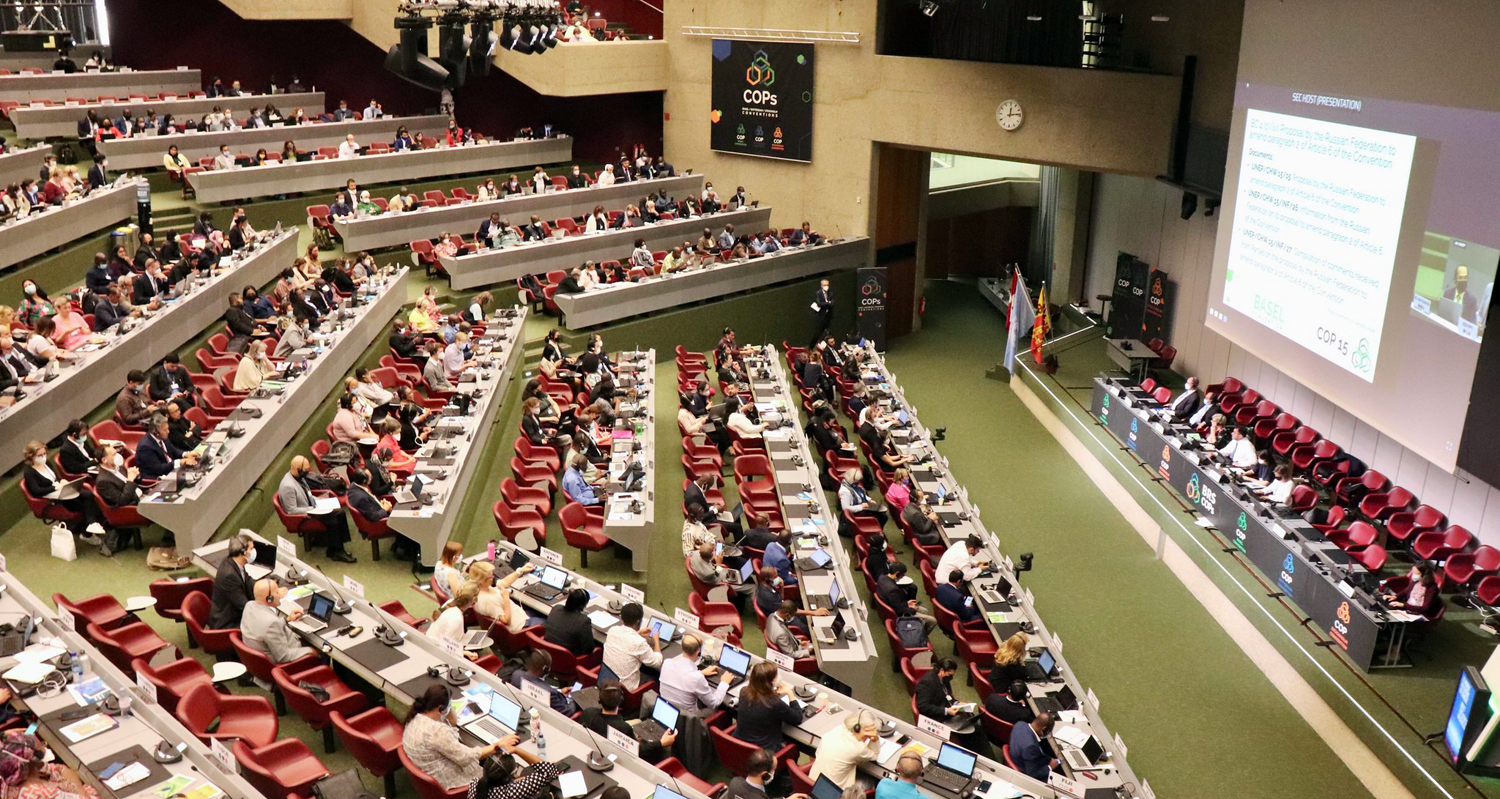 |
Pierce Brosnan and Dominic Thiem salute Basel Convention’s work to foster the environmentally sound management of plastic waste.
BRS COPs conclude with major decisions on e-waste movement and ban of harmful chemicals affecting firefighters
Pierce Brosnan and Dominic Thiem salute Basel Convention’s work to foster the environmentally sound management of plastic waste.
Geneva, 17 June 2022 — The 2021-2022 meetings of the Conferences of the Parties to the Basel, Rotterdam and Stockholm Conventions (BRS COPs) come to a close today after marathon proceedings that begun with the online segment in July 2021, continued with the High-level Segment in Stockholm, Sweden, on 1 June 2022 in association with the Stockholm+50 international meeting, and were finalized with the face-to-face segment in Geneva, Switzerland from 6 to 17 June 2022. Under the theme “Global Agreements for a Healthy Planet: Sound Management of Chemicals and Waste”, the online and face-to-face segments of the BRS COPs were attended by over 1500 delegates from around the world.
Basel Convention
Upon the proposal by Ghana and Switzerland, the fifteenth meeting of the Conference of the Parties to the Basel Convention (BC COP-15) adopted landmark amendments to Annexes II, VIII and IX, which ensure that all transboundary movements of e-wastes, whether hazardous or not, are subject to the prior informed consent of the importing state and any state of transit. This bold decision not only protects vulnerable countries from unwanted imports, but also fosters the environmentally sound management of e-wastes with state-of-the-art technology and thus contributes to a circular economy.
In addition, BC COP-15 adopted technical guidelines on mercury wastes, as well as three updated technical guidelines on the environmentally sound management of wastes from Persistent Organic Pollutants (POPs). Other adopted technical guidelines included the environmentally sound incineration of hazardous and other wastes as covered by disposal operations D10 and R1, and the environmentally sound disposal of hazardous wastes and other wastes in specially engineered landfill (D5).
Decisions were taken to update the technical guidelines on the environmentally sound management of waste lead-acid batteries, to initiate the development of technical guidelines on the environmentally sound management of other waste batteries, and to move forward on electronic approaches to the notification and movement documents.
BC COP-15 also continued the small intersessional working group to prepare findings and improve the strategic framework of the Convention for 2012–2021, initiated a new track of work to improve the functioning of the Prior Informed Consent procedure, and adopted new measures on tackling plastic wastes.
COP-15 further welcomed the work of the Implementation and Compliance Committee to support individual Parties overcome their compliance difficulties, and adopted two guidance documents it to improve the implementation of the Convention’s prior informed consent procedure – one of transit transboundary movements and the other on insurance, bond and guarantee.
Finally, COP-15 agreed to further consider the amendments put forward by the European Union to amend Annex IV of the Convention which is key to determining when a substance or object is to be considered a waste falling within the scope of the Convention.
Rotterdam Convention
The tenth meeting of the Conference of the Parties to the Rotterdam Convention (RC COP-10) engaged in very extensive and inclusive discussions on chemicals and pesticides, and listed two industrial chemicals: decabromodiphenyl ether, and perfluorooctanoic acid (PFOA), its salts and PFOA-related compounds. This listing will make these chemicals subject to the Prior Informed Consent procedure, thereby granting Parties the right to decide on their future import.
“Parties explicitly thanked the Secretariat and the Food and Agriculture Organization (FAO) for their support to identify less hazardous alternatives to the pesticides on the agenda” said Christine Fuell, Coordinator of the FAO part of the Rotterdam Convention Secretariat. However, no consensus to list them could be reached due to just a few of the 160 Parties present objecting. Numerous delegates commended the Chemical Review Committee for its excellent work in reviewing the chemicals and pesticides recommended for listing, and noted with disappointment that most of the reasons brought forward to object listings fell outside the scope of the Rotterdam Convention.
On a positive note, RC COP-10 agreed on the work programme for the newly established Compliance Committee. This important subsidiary body will take up its work as soon as possible and is expected to further improve the implementation of the Rotterdam Convention.
Stockholm Convention
The tenth meeting of the Conference of the Parties to the Stockholm Convention (SC COP-10) listed perfluorohexane sulfonic acid (PFHxS), its salts, and PFHxS-related compounds in Annex A to the Convention, setting them for elimination. PFHxS, its salts and related substances have a high resistance to friction, heat, and chemical agents. They are widely used in firefighting foam, carpets, and non-stick cookware. They have been found to influence the human nervous system, brain development, and thyroid hormone.
In addition, a process was put in place for Parties to provide information on a voluntary basis about cases of trade occurring in contravention of the Stockholm Convention, building on the positive experience under the Basel Convention which sets out a similar process.
SC COP-10 also adopted decisions on two of the initial POPs listed under the Convention: PCB and DDT. On PCB, the SC COP urged Parties to step up their efforts by immediately implementing actions to eliminate its use in equipment by 2025, and to achieve the environmentally sound management of relevant PCB wastes by 2028. On DDT, the COP noted that, while there is a continued need for DDT for indoor residual spraying in specific settings for malaria vector control, it is assumed that DDT use may not be needed after 2030. Parties still using DDT for disease vector control were invited to review their needs, while a decision was taken to initiate a consultative process on a possible DDT phase-out plan.
Plastics Forum
From 8 to 10 June, the BRS COPs hosted the Plastics Forum, a multi-stakeholder event dedicated to promoting the environmentally sound management of plastic waste. The Plastics Forum, which featured more than 20 side events held in a 3-D virtual platform, marked the peak of the Plastic is Forever campaign, with a hackathon, a photo exhibition, the launch of a social media challenge, and an illuminations show on Geneva’s Palais des Nations. Two of the campaign’s promotional videos were screened during the closing plenary of the BRS COPs, featuring Hollywood stars Pierce Brosnan and his son Paris, as well as professional tennis player Dominic Thiem. The videos will be officially released on 21 June 2022, with a separate press release to follow.
Τhe three conference meetings strengthened the mandate for international cooperation with other organizations, including the Minamata Convention on mercury, in support of the recently adopted resolutions by the United Nations Environment Assembly to forge a new international legally binding agreement to end plastic pollution, and to establish a science policy panel to contribute further to the sound management of chemicals and waste and prevent pollution.
The 2023 BRS COPs will be held next May in the Bahamas.
NOTES TO EDITORS
The Secretariat of the Basel, Rotterdam and Stockholm Conventions (BRS Secretariat) brings together the three leading multilateral environmental agreements that share the common objective of protecting human health and the environment from hazardous chemicals and wastes. www.brsmeas.org
Communication material is available on the BRS Secretariat Trello: https://trello.com/b/iEDpXNHv/the-basel-rotterdam-and-stockholm-conventions
For media inquiries contact: Marisofi Giannouli, BRS Associate Public Information Officer, marisofi.giannouli@un.org
|
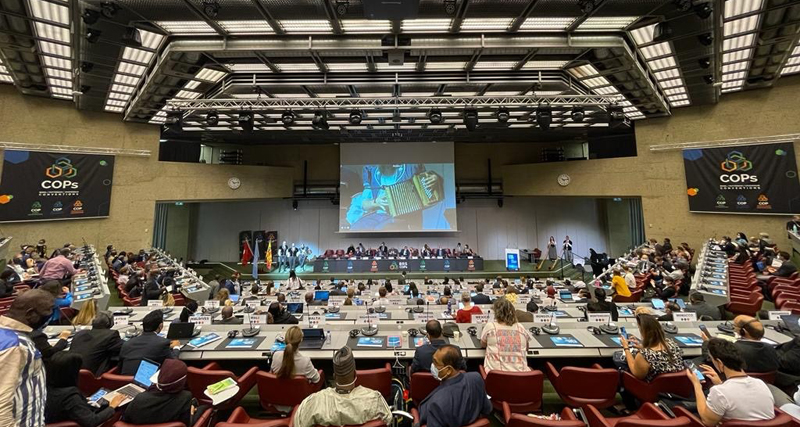 |
More than 1500 registered participants representing the BRS Conventions reconvene in Geneva, Switzerland, from 6 to 17 June, for the first time in three years. Under the theme “Global Agreements for a Healthy Planet: Sound Management of Chemicals and Waste”, the BRS COPs will address the impact of hazardous chemicals and wastes on human health and the environment.
Global environmental agenda advances as BRS COPs are held in Geneva to discuss chemicals and wastes management
More than 1500 registered participants representing the Parties to the Basel, Rotterdam and Stockholm Conventions (BRS Conventions) reconvene in Geneva, Switzerland, from 6 to 17 June, for the first time in three years. Under the theme “Global Agreements for a Healthy Planet: Sound Management of Chemicals and Waste”, the meetings of the Conferences of the BRS Conventions (BRS COPs) will address the impact of hazardous chemicals and wastes on human health and the environment.
“Our challenge during these COPs is to try and make the issues of chemical and waste, consumption and production, and pollution visible,” said BRS Executive Secretary Rolph Payet in his remarks during the opening ceremony, held on 6 June in Centre International de Conférences Genève. “We have invested a lot of time trying to create the perfect – or near-perfect – environment for the Parties to negotiate and achieve consensus.”
In turn, the Executive Secretary of the Food and Agriculture Organization part of the Rotterdam Convention Secretariat, Rémi Nono Womdim, called upon all Parties and all institutions involved in the BRS COPs to cooperate and increase their efforts to halt the three planetary crises of pollution, biodiversity loss, and climate change through the sound management of chemicals and waste. His thoughts were echoed by Payet who noted that “There is no winner or loser; we are all losers, if we don’t try and solve the crises.”
The fifteenth meeting of the Conference of the Parties to the Basel Convention (BC COP-15) will consider, among others, amendment proposals focusing on e-wastes, the adoption of updated technical guidelines on persistent organic pollutants (POPs) and mercury wastes, and the adoption of guidance documents to improve specific aspects of the implementation of the prior informed consent procedure as it relates to transit transboundary movements, and insurance, bond and guarantee. Discussions will also be held on disposal operations, such as engineered landfilling and incineration on land. Additionally, Parties are expected to initiate the updating of the technical guidelines on used lead acid batteries.
The tenth meeting of the Conference of the Parties to the Rotterdam Convention (RC COP-10) will consider including in Annex III of the Convention two pesticides, two severely hazardous pesticide formulations, and three industrial chemicals. In addition, Parties will consider for the first time a work programme for the newly established Compliance Committee and receive a detailed overview of the technical assistance provided during the last two years, including work on the identification of alternatives to hazardous pesticides.
The tenth meeting of the Conference of the Parties to the Stockholm Convention (SC COP-10) will consider listing a new group of perfluorinated chemicals, targeting them for elimination. Discussions will be held on the use of DDT, and the identification and management of POPs contaminated sites. Moreover, Parties will discuss progress made in the preparation of the second effectiveness evaluation report and the third global monitoring report on POPs.
During the COPs, Parties will also discuss ways for the conventions to contribute to the key outcomes of the fifth session of the United Nations Environment Assembly (UNEA-5), specifically, the Intergovernmental Negotiating Committee that will develop the legally binding instrument to end plastic pollution, and the Science-Policy Panel on chemicals and waste that is expected to support the prevention of pollution. The provisions of the Stockholm Convention and of the Basel Convention, and in particular the Plastic Waste Amendments which are currently the sole legally binding provisions addressing plastic wastes, are expected to inform the negotiations of the aforementioned global instrument to end plastic pollution.
The BRS COPs will also adopt programmes of work and budgets for 2022-2023, and consider a new technical assistance plan for 2022-2025.
On the whole, more than 40 side events will be held, focusing on topics from pesticide risk reduction and e-waste management to hazardous child labour in agriculture and plastic waste streams.
Plastics Forum
This year, the BRS COPs will have a special focus on plastic waste management. The Plastics Forum is a multistakeholder umbrella event that will be held from 8 to 10 June to address the role of the Basel, Rotterdam and Stockholm Conventions in tackling the global plastic waste crisis. Packed with interactive panel debates, spotlight presentations, and booth exhibits, the Plastics Forum will also include the Plastic is Forever hackathon and social media challenge. The Forum will end on a hopeful and celebratory note, with the illumination of the Palais des Nations façade on the nights of 10 and 11 June.
The Parties of the three Conventions adapted initial plans with regard to the scheduling of the BRS COPs, in response to the onset of COVID-19. As a result, BC COP-15, RC COP-10 and the SC COP-10 are held back-to-back in two stages: online from 26 to 30 July 2021, and face-to-face from 6 to 17 June 2022.
The High-level Segment of the BRS COPs took place on 1 June in Sweden. It was organized in connection with the Stockholm+50 event, commemorating the 1972 United Nations Conference on the Human Environment. Held for the first time in four years, the BRS COPs High-level Segment was a resounding success, attended by over 100 ministers and high-level dignitaries from across the globe identifying opportunities to tackle the triple planetary environmental crisis of pollution, climate change and biodiversity loss, through the sustainable management of chemicals and wastes.
NOTES TO EDITORS
The Secretariat of the Basel, Rotterdam and Stockholm Conventions (BRS Secretariat) brings together the three leading multilateral environmental agreements that share the common objective of protecting human health and the environment from hazardous chemicals and wastes.
https://www.brsmeas.org/
More information on the 2021-2022 BRS COPs, including the High-level Segment and the Plastics Forum, is available here: https://www.brsmeas.org/20212022COPs/Overview/tabid/8395/language/en-US/Default.aspx
For technical information on the Rotterdam Convention, contact: Christine Fuell, Senior Technical Officer, christine.fuell@fao.org
Information on the Plastic is Forever campaign can be found here: https://www.brsmeas.org/MediaHub/Campaigns/PlasticisForever/tabid/9151/language/en-US/Default.aspx
Further communication material is available on the BRS Secretariat Trello: https://trello.com/b/iEDpXNHv/the-basel-rotterdam-and-stockholm-conventions
For media inquiries, contact: Marisofi Giannouli, BRS Associate Public Information Officer, marisofi.giannouli@un.org
|
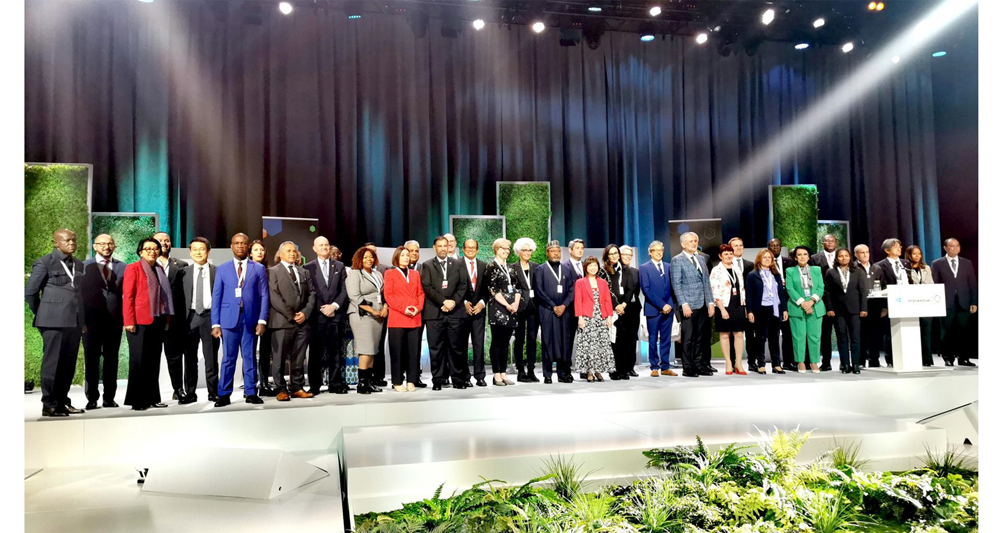 |
More than 100 ministers and other high-level representatives meet in Stockholm to discuss ways of addressing the triple planetary crisis of pollution, climate change and biodiversity loss, through the sound management of hazardous chemicals and wastes.
BRS COPs High-level Segment: a global event for a planet safe from chemicals and wastes
More than 100 ministers and other high-level representatives meet in Stockholm to discuss ways of addressing the triple planetary crisis of pollution, climate change and biodiversity loss, through the sound management of hazardous chemicals and wastes.
The High-level Segment of the 2021-2022 meetings of the Conferences of the Parties to the Basel, Rotterdam and Stockholm Conventions (BRS COPs) was held in Sweden today, in association with the Stockholm+50, a global event commemorating the 1972 United Nations Conference on the Human Environment. Joining in the celebrations that highlight 50 years of global environmental action, the High-level Segment marks the first time in five years that ministers have gathered under the BRS COPs to discuss policies that will help protect people and the environment from the adverse effects of hazardous chemicals and wastes.
Under the theme of “Global Agreements for a Healthy Planet: Sound Management of Chemicals and Waste”, the High-level Segment provided leaders with a dynamic and inclusive platform to explore opportunities and foster solutions that will help tackle the triple planetary environmental crisis of pollution, climate change and biodiversity loss. All of these three crises, largely driven by anthropogenic activity and unsustainable patterns of consumption and production, are exacerbated by the unsound management of chemicals and wastes. The implementation of the three Conventions provides an overarching international legal basis for countries to address the crises and deliver on the Sustainable Development Goals.
“Today we will be setting the tone for the upcoming BRS COPs, addressing a number of critical issues, from plastic and e-waste to harmful chemicals,” stated Rolph Payet, Executive Secretary of the BRS Secretariat. He went on to note that “for a sustainable transformation to happen, we need the buy-in of politicians and the private sector, but also the individuals.”
High-level Segment interactive discussions centered on pollution, a move towards a life-cycle management of chemicals and waste, and means of implementing the Basel, Rotterdam and Stockholm Conventions through the use of new technologies and innovative approaches to financing.
“Each year, one in six deaths is attributed to pollution,” remarked Inger Andersen, Executive Director of the United Nations Environment Programme. “But the BRS Conventions have responded to the call of tackling this crisis.”
In turn, Maria Helena Semedo, Deputy Director-General of the United Nations Food and Agriculture Organization, recognized the systemic importance of the Conventions as legally binding instruments that are crucial for the achievement of the 2030 Agenda.
Carlos-Manuel Rodríguez, CEO and Chairperson of the Global Environment Facility (GEF), expressed his gratitude to the BRS Secretariat for helping assess the financial needs of the Parties, thereby allowing GEF to be more strategic in delivering solutions.
Some of the key messages conveyed during the meeting touched on the need to design safe and sustainable chemicals so as to achieve full circularity in waste streams. Equally important emerged the need for governments and international organisations to invest in innovative technologies and financing. Worth noting was also the general consensus that the environmentally sound management of chemicals and wastes hinges on informing and engaging youth to advocate for a toxic-free planet.
Jan Dusík, Deputy Minister of the Environment of the Czech Republic, echoed the thoughts of many when he stressed that “the human dimension should never be understated, as we are part of the chemicals and wastes problem, and its solution.”
The conclusion of the High-level Segment saw ministers build bridges across agendas to accelerate system-wide actions articulating a path to achieve a healthy planet and prosperity for all.
In her closing remarks, Katrin Schneeberger, State Secretary and Director of the Federal Office for the Environment of Switzerland, stated that “the upcoming BRS COPs represent a concrete opportunity to take political action based on scientific assessments and the key outcomes of the High-level Segment.”
The High-level Segment took place in the Stockholm Exhibition & Convention Centre at Älvsjö, Sweden. It was held in the lead-up to BRS COPs, which will be in full effect next week.
Last year it was decided that, due to the onset of the COVID-19 pandemic, the 15th meeting of the Conference of the Parties to the Basel Convention (BC COP-15), the 10th meeting of the Conference of the Parties to the Rotterdam Convention (RC COP-10), and the 10th meeting of the Conference of the Parties to the Stockholm Convention (SC COP-10) would be held back-to-back in two stages: online from 26 to 30 July 2021, and face-to-face from 6 to 17 June 2022 in Geneva, Switzerland.
NOTES TO EDITORS
The Secretariat of the Basel, Rotterdam and Stockholm Conventions (BRS Secretariat) brings together the three leading multilateral environmental agreements that share the common objective of protecting human health and the environment from hazardous chemicals and wastes.
https://www.brsmeas.org/
More information on the 2021-2022 BRS COPs, including the High-level Segment and the Plastics Forum, can be found here: https://www.brsmeas.org/20212022COPs/Overview/tabid/8395/language/en-US/Default.aspx
Communication material is available on the BRS Secretariat Trello: https://trello.com/b/iEDpXNHv/the-basel-rotterdam-and-stockholm-conventions
Click here to watch the COPs High-level Segment video report.
For media inquiries contact: Marisofi Giannouli, BRS Associate Public Information Officer, marisofi.giannouli@un.org
|
 |
The Global Environment Facility (GEF), which serves as the financial mechanism for the implementation of the Stockholm Convention, has announced a substantial increase in funding, which includes a welcomed increase for issues pertaining to chemicals and waste.
Welcomed increase in funding for chemicals and wastes issues made available for the GEF
The Global Environment Facility (GEF), which serves as the financial mechanism for the implementation of the Stockholm Convention on Persistent Organic Pollutants, has announced a substantial increase in funding, which includes a welcomed increase for issues pertaining to chemicals and waste. With 15 percent of the total allocation of funding allocated to the chemicals and waste focal area, the GEF replenishment signals the key role that chemicals and waste management plays in resolving the triple environmental planetary crisis of climate change, biodiversity loss, and pollution.
Discussions for the eighth replenishment of resources for the Global Environment Facility Trust Fund (GEF-8) were held virtually among representatives of civil society, environmental financiers, and the GEF’s recipient countries and 18 implementing agency partners, over the course of six meetings from April 2021 to February 2022. On 8 April 2022, these deliberations brought about a joint pledge of more than $5 billion US dollars by 29 countries for the Facility to protect human health and the environment. As a result, GEF funding is now increased by nearly 30 percent, compared to its most recent four-year operating cycle.
“The Secretariat of the Basel, Rotterdam and Stockholm Conventions welcomes GEF’s robust replenishment, and in particular the heightened consideration paid to chemicals and wastes issues,” stated Rolph Payet, Executive Secretary of the Basel, Rotterdam and Stockholm Conventions. He continued to underline that “The recent pledges will considerably boost the implementation of the Stockholm Convention, especially benefitting the Impact Programme on Supply Chains, as well as the management of both legacy and newly-listed Persistent Organic Pollutants (POPs).”
Among others, the Stockholm Convention provides an important contribution to resolving the global plastics waste crisis by controlling various POPs used in plastics as additives, flame retardants, plasticizers or in the manufacture of fluoropolymers. Of the 30 POPs listed under the Stockholm Convention, 15 are either plastic additives or by-products. Such actions by the Stockholm Convention will inform the upcoming negotiations towards a global legally binding instrument to end plastics pollution.
Ministers and other high-level representatives will discuss related issues at the High-level Segment of the conferences of the Parties to the Basel, Rotterdam and Stockholm conventions (BRS COPs), which will be held in connection with the Stockholm+50 international meeting in Stockholm, Sweden, on 1 June 2022. The 2022 face-to-face segment of the Stockholm Convention COP will take place from 6 to 17 June 2022 in Geneva, Switzerland.
NOTES TO EDITORS
The Stockholm Convention on Persistent Organic Pollutants is a global treaty to protect human health and the environment from chemicals that remain intact in the environment for long periods, become widely distributed geographically, accumulate in the fatty tissue of humans and wildlife, and have harmful impacts on human health or on the environment.
For more information on the Stockholm Convention, go to www.chm.pops.int and follow the @brsmeas Twitter feed.
Contacts
For technical questions on the Stockholm Convention: Kei Ohno Woodall, BRS Programme Management Officer kei.ohno@un.org
For media inquiries: Marisofi Giannouli, BRS Associate Public Information officer, marisofi.giannouli@un.org
|
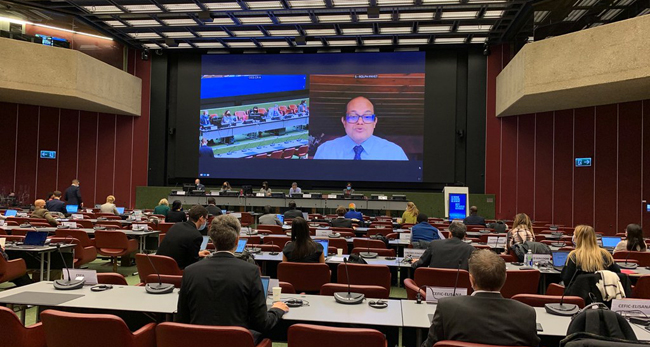 |
The 17th meeting of the Persistent Organic Pollutants Review Committee also took steps towards the elimination of the plastic additive UV-328 and 4 other toxic chemicals.
Experts recommend eliminating toxic pesticide methoxychlor, a DDT substitute, as Stockholm Convention POPRC17 meeting concludes in Geneva and online
Geneva, Switzerland: 28 January 2022
At a time when pollution is described by the United Nations as one of the three existential planetary threats currently facing society, along with climate change and loss of biodiversity, more than 250 scientific experts came together in Geneva and online this week, to review scientific data and make recommendations concerning the possible elimination of a number of toxic chemicals known as Persistent Organic Pollutants, or POPs.
The 17th meeting of the POPs Review Committee, held from 24 to 28 January 2022, recommended listing methoxychlor, a pesticide, in Annex A to the Stockholm Convention, without exemptions. Methoxychlor now goes forward to a future meeting of the Conference of the Parties (COP) to the Stockholm Convention in 2023, where a decision to list would be expected to lead to global action towards its elimination or reduction from production and use, as well as the destruction of existing stocks and management of POPs wastes.
Methoxychlor has been used as a replacement for DDT against a wide range of pests including biting flies, houseflies, mosquito larvae, cockroaches and chiggers on field crops, fruit, vegetables, ornamentals as well as on livestock and pets. It is known to be very highly toxic to invertebrates and fish, including through its endocrine-disrupting effects, and has been detected in the environment and biota in the Arctic and in Antarctica, far from its production and use. Methoxychlor has also been detected in human serum, adipose tissues, umbilical cord blood and human breast milk.
The Committee also considered UV-328, a chemical typically found in certain types of plastics, and adopted its risk profile, moving it towards a possible recommendation to the Conference of the Parties for elimination. It noted that UV-328 is likely, as a result of its long-range environmental transport, to lead to significant adverse human health and/or environmental effects, such that global action is warranted. A risk management evaluation will now be prepared, to be discussed at the next POPRC meeting, later this year, when a recommendation for elimination might be made, for consideration at a future Stockholm Convention COP.
The Committee also reached consensus on Dechlorane Plus, a flame retardant that has been in use since the 1960s, adopting the risk profile and moving it towards eventual possible elimination. This chemical is associated with harmful impacts such as oxidative damage, neurodevelopmental toxicity and endocrine disruption. Oxidative stress has been observed in marine macroalgae, fish, marine bivalves, earthworms, birds, and mice. In humans, exposure takes place by consumption of food and drinking water, inhalation of indoor and ambient air, as well as respiratory and oral uptake of dust. It has been detected in human blood and breast milk in many regions of the world, and the human foetus may be exposed via the umbilical cord blood, and breast milk may be an important source of exposure for infants.
Rolph Payet, Executive Secretary of the Stockholm Convention, said that “The recommendation by POPRC to eliminate methoxychlor, a pesticide with long-term ecological and health effects, can contribute to a cleaner, healthier environment and is an important step towards the sound management of chemicals and waste worldwide. Moving other candidate POPs forward to the next stage of review, including the plastic additive UV-328 and flame retardant Dechlorane Plus, also represents vital progress. It shows that – together- the Basel, Rotterdam and Stockholm Conventions provide the global legal and scientific framework, as well as platform of opportunity, for countries to continue to critically address the global pollution crisis, including from plastic waste.”
Three new proposals for listing additional substances for elimination or restriction were also reviewed for the first time by the Committee, which agreed that long-chain perfluorocarboxylic acids, their salts and related compounds, chlorinated paraffins with carbon chain lengths C14-17 and chlorination levels at or exceeding 45 per cent chlorine by weight and chlorpyrifos all met the screening criteria specified in Annex D to the Convention, moving consideration of these chemical groups to the next review stage by the Committee later this year.
More information on all the chemicals under review is available online:
https://www.pops.int/TheConvention/POPsReviewCommittee/Meetings/POPRC17/Overview/tabid/8900/Default.aspx
At a previous meeting, POPRC recommended perfluorohexane sulfonic acid (PFHxS), its salts, and PFHxS-related compounds be listed in Annex A to the Convention without specific exemptions, which will be considered at the face-to-face segment of the tenth meeting of the Conference of Parties to the Stockholm Convention (COP) to be held in June 2022. PFHxS, its salts, and PFHxS-related compounds are a group of industrial chemicals used widely in a number of consumer goods as a surfactant and sealant including in carpets, leather, clothing, textiles, fire-fighting foams, papermaking, printing inks and non-stick cookware. PFHxS, its salts, and PFHxS-related compounds are known to be harmful to human health including the nervous system, brain development, endocrine system and thyroid hormone.
To date, 30 POPs, which covers hundreds of related chemicals, are listed in the Annexes A, B and C to the legally-binding Stockholm Convention. The Convention, which entered into force in 2004 has 185 Parties, and benefits from almost universal coverage across the globe.
Dechlorane Plus is used worldwide as an additive flame retardant in electrical wire and cable coatings, plastic roofing materials, connectors in TV and computer monitors and as non-plasticizing flame retardants in polymeric systems such as nylon and polypropylene plastic. Widely detected in remote areas such as the Arctic and Antarctica, the toxic effects include endocrine disruption, oxidative stress and oxidative damages, and neurotoxicity, and is reported to cross the blood-brain barrier and to be maternally transferred to offspring in several species, including humans. The highest DP levels have been observed in occupationally exposed workers and residents living near production facilities and e-waste recycling sites in Asia.
PFHxS, its salts and related compounds, have unique properties with a high resistance to friction, heat, chemical agents, low surface energy and are used as a water, grease, oil and soil repellent. It is widely utilized in a variety of consumer goods such as carpets, leather, apparel, textiles, firefighting foam, papermaking, printing inks, sealants, and non-stick cookware. PFHxS concentrations are found in biota and humans alike and its elimination takes approximately 8 years. Effects of PFHxS in humans are found to influence the nervous system, brain development, endocrine system and thyroid hormone. For more on PFHxS see: https://chm.pops.int/Convention/POPsReviewCommittee/Chemicals/tabid/243/Default.aspx
UV-328 is a ubiquitous high-volume additive typically used as an ultra-violet (UV) stabiliser in plastic products such as some personal care products, rubber and coatings. UV-328 is found in the environment and biota, including in remote areas such as the Arctic and the Pacific Ocean, far from its production and use. UV-328 has been found to be transported with, and may subsequently be released from plastic debris, which is taken up for example by seabirds with subsequent accumulation in their tissue, and microplastics. In humans, UV-328 has been detected in breast milk. It is the first non-halogenated chemical considered by POPRC. Given UV-328’s proliferation in plastic products, its eventual, possible listing would strengthen the Stockholm Convention’s role as a key, additional instrument for governments across the globe to tackle the growing plastic waste crisis.
POPs and the Stockholm Convention
Exposure to Persistent Organic Pollutants (POPs) can lead to serious adverse health effects including certain cancers, birth defects, dysfunctional immune and reproductive systems, greater susceptibility to disease and damage to the central and peripheral nervous systems. Given that these chemicals can be transported over long distances, no one government acting alone can protect its citizens or its environment from POPs. The Stockholm Convention on Persistent Organic Pollutants, adopted in 2001 and entered into force in 2004, is a global treaty requiring its Parties to take measures to eliminate or reduce the release of POPs into the environment, to protect human health and the environment from chemicals that remain intact for long periods, become widely distributed geographically, accumulate in the fatty tissue of humans and wildlife, and have harmful impacts on human health or on the environment.
For more information on the Stockholm Convention, POPs, and POPRC: www.chm.pops.int
For more info:
Technical contact: Kei Ohno Woodall, BRS Secretariat; email: kei.ohno@un.org tel: +41 79 233 3218
Press contact: Charlie Avis, BRS Secretariat email: Charles.avis@un.org tel: +41-79-7304495
|
 |
Spotlight on rampant plastic pollution in the mountains, as experts explore ways forward on the occasion of the 2021 International Mountain Day.
Mountains of Plastic
Geneva, 10 December2021
Spotlight on rampant plastic pollution in the mountains, as experts explore ways forward on the occasion of the 2021 International Mountain Day.
When it comes to plastic pollution, marine ecosystems have long dominated public discourse; and with good reason, as the impact that plastic waste is having on the oceans, rivers and lakes around the world cannot be overstated. That withstanding, plastic waste – including microplastics that are easily carried by air – can be found in even the remotest of mountain regions, degrading the biodiversity of these pristine ecosystems, and affecting negatively the health and livelihoods of local populations.
On the occasion of the 2021 International Mountain Day, the Geneva Environment Network in partnership with the Secretariat of the Basel, Rotterdam and Stockholm Conventions, GRID-Arendal, the International Climbing and Mountaineering Federation (UIAA), the International Federation of Mountain Guides Associations (IFMGA) and the United Nations Environment Programme (UNEP) are organising an online event to shed light on the challenges posed by mountain plastic pollution, and to offer solutions that can help address the issue successfully. Sustainable mountain tourism, the overarching theme of this year’s International Mountain Day observance, lends itself nicely to the dialogue about plastic waste pollution in the mountains.
Mountain tourism, currently accounting for 15 to 20 per cent of the global tourism industry, is a key driver of development and prosperity for local populations, especially in developing countries. However, when sustainability is not taken into consideration, what started out as a blessing, can quickly turn into a threat. Currently, the plastic waste tourism footprint in mountains far exceeds that of local populations. Research by the BRS Secretariat reveals that in certain mountain regions, tourism has prompted an up to 38-fold increase of plastic waste generation within just three years.
Meanwhile, mountainous regions face specific challenges in addressing plastic waste due to their remoteness, limited access to human and financial resources, lack of economies of scale, and challenging natural conditions. Due to limited capacities and infrastructure in managing plastic waste, locals and tourists often resort to dumping and burning plastic waste outdoors, which in turn has dire repercussions on their health and the environment. It’s no wonder that a study carried out in the Himalayas has identified the presence of persistent organic pollutants in mountainous regions, with more volatile pollutants prone to concentrate at the higher and colder sites.[1] These and other conclusions are framing the development by the BRS Secretariat of its soon-to-be released report on plastic waste in remote and mountainous areas.
Abandoning mountain tourism altogether is not a viable solution, especially since the restrictions of the COVID-19 pandemic have further compounded the vulnerabilities of mountain communities. The answer lies in using sustainability as a compass to tap into local potential and reinforce it with regulatory frameworks, robust infrastructure, and access to innovative solutions.
Success stories include garbage declaration and clearance systems for mountain expeditions in Nepal, the set-up of community-run collection centres in countries across the globe, recycling of bottles into ponchillas in Peru, engaging mountaineers in clean-up operations in Switzerland, creating full-cycle infrastructure for waste-sorting and management in a national park in Kazakhstan.
In addition, thanks to funding from the governments of Norway and France, the BRS Secretariat is implementing a project on Plastic Waste in Remote and Mountainous Areas which will strengthen capacities in managing plastic waste.
Mountain guides and mountaineers are also stepping up to advocate for plastic-free mountains. UNEP’s Mountain Heroes campaign, implemented in collaboration with the International Olympic Committee, capitalizes on the visibility of renown athletes to promote the environmental protection of mountains. The UIAA has established the UIAA Mountain Protection Award to showcase and reward responsible and sustainable behaviour and practices by climbers. And the IFMGA has in place a code of conduct for professional mountain guides, rendering them responsible for removing waste from their excursions.
The Plastic Waste in Mountains event will offer information on all the aforementioned initiatives, as well as insights from the 2021 Global Waste in Mountains Survey by GRID-Arendal. The event is part of the Geneva Beat Plastic Pollution Dialogues, organized by the Geneva Environment Network.
Note for Editors:
The Secretariat of the Basel, Rotterdam, and Stockholm Conventions, or BRS Secretariat, supports Parties implement the three leading multilateral environment agreements governing chemicals and waste management, in order to protect human health and the environment. See www.brsmeas.org for more information and follow the @brsmeas Twitter feed for daily news.
For more information, please contact:
For technical questions on mountain plastic waste pollution, please contact: Jost Dittkrist, BRS Programme Management Officer jost.dittkrist@un.org
For media inquiries please, contact: Marisofi Giannouli, BRS Associate Public Information officer, marisofi.giannouli@un.org
[1] X.-P. Wang, T.-D. Yao, Z.-Y. Cong, X.-L. Yan, S.-C. Kang, Y. Zhang (March 2007). Distribution of Persistent Organic Pollutants in Soil and Grasses Around Mt. Qomolangma, China. Archives of Environmental Contamination and Toxicology. 153-62. https://www.researchgate.net/publication/6635018_Distribution_of_Persistent_Organic_Pollutants_in_Soil_and_Grasses_Around_Mt_Qomolangma_China.
|