 |
A cleaner ocean is essential to island communities’ well-being, biodiversity, and livelihoods but reducing plastic waste can also play a fundamental role in mitigating climate change. This event will discuss climate mitigation and adaptation contributions provided by the environmentally sound ...
Side Event: A Quest for a More Resilient and Sustainable Future: an urgent need for climate action and healthy oceans in Seychelles
3 December 2023
11:00-1:00 p.m.
Seychelles Pavilion
Dubai, United Arab Emirates
Online access: to be confirmed
A cleaner ocean is essential to island communities’ well-being, biodiversity, and livelihoods but reducing plastic waste can also play a fundamental role in mitigating climate change.
This event will discuss climate mitigation and adaptation contributions provided by the environmentally sound management of harmful chemicals and waste. More specifically, it will focus on actions taken at the national level by the Seychelles and other Small Island Developing countries (SIDs), as well as measures taken at the international and regional levels, under relevant multilateral environmental agreements and intergovernmental organizations.
The issues of the growing built-up chemicals in the environment that contain harmful chemicals, plastic materials production and plastic wastes generation, their management and disposal will be particularly highlighted, noting that marine plastic pollution magnifies climate impacts. Finally, outcomes of the research on climate change scenarios and projections specifically in the case of Seychelles will give us an understanding of the urgency of acting now.
Programme 
Moderator:
- Mr. Rolph Payet, the Executive Secretary of the Basel, Rotterdam and Stockholm conventions
Keynote address:
- H.E. Flavien P Joubert, Minister of Agriculture, Climate Change and Environment, Seychelles.
Panelists:
- Ms. Leticia Carvalho, Head of Marine and Freshwater Branch, Ecosystems Division and the SIDS Focal Point, United Nations Environment Programme (UNEP)
- Ms. Preethi Sushil Nair, Programme Coordinator, the United Nations Development Programme (UNDP) Mauritius and Seychelles
- Mr. Joao Sousa, Senior Programme Manager, International Union for Conservation of Nature (IUCN)
- Ms. Sheena Talma, Marine Biologist/deep-sea Ecologist, Seychelles
Photo gallery

|
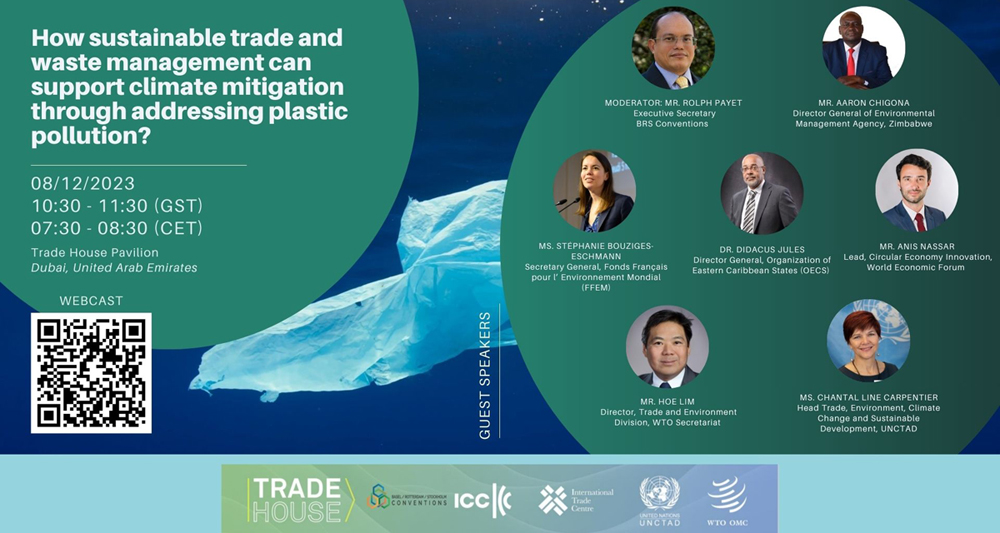 |
Efforts in waste prevention, reuse, recycling, and energy recovery can accelerate GHG reduction and sustainable trade is a powerful mechanism to reshape the situation on the ground regarding the use of plastics.
Side Event: How sustainable trade and waste management can support climate mitigation through addressing plastic pollution?
8 December 2023
10:30-11:30 a.m.
Trade House Pavilion
Dubai, United Arab Emirates
Webcast
Efforts in waste prevention, reuse, recycling, and energy recovery can accelerate GHG reduction and sustainable trade is a powerful mechanism to reshape the situation on the ground regarding the use of plastics.
Novel designs of plastic products, non-plastic material substitutes and packageless distribution methods can have a lower environmental footprint, carbon impact and offer income generation, job creation and sustainable livelihoods.
By bringing together experts from diverse horizons, the side event will showcase the importance of responsible trade in plastics, and the environmentally sound management of plastic waste, which would also tackle climate change, promote healthy oceans and protect biodiversity.
Programme
Moderator:
- Mr. Rolph Payet, Executive Secretary, the Secretariat of the Basel, Rotterdam, and Stockholm Conventions
Panelists:
- Mr. Aaron Chigona, Director General of Environmental Management Agency, Zimbabwe
- Ms. Stéphanie Bouziges-Eschmann, Secretary General, Fonds Français pour l’ Environnement Mondial (FFEM)
- Dr. Didacus Jules, Director General, Organization of Eastern Caribbean States (OECS)
- Mr. Anis Nassar, Lead, Circular Economy Innovation, World Economic Forum (WTO)
Comments by:
- Mr. Hoe Lim, Director, Trade and Environment Division, WTO Secretariat
- Ms. Chantal Line Carpentier, Head Trade, Environment, Climate Change and Sustainable Development, UNCTAD
|
 |
Marine plastic pollution is a global environmental threat. In the Pacific region, which is hard-hit by climate related disasters, marine plastic pollution magnifies climate impacts. Plastic pollution causes environmental disruption: pollution of soil and water systems, emission of methane gas from l...
Side Event: Connecting climate mitigation to depolluting oceans through concrete solutions in the Pacific Islands
4 December 2023
9:00-9:50 a.m.
Moana Blue Pacific Pavilion No 29
Dubai, United Arab Emirates
Webcast
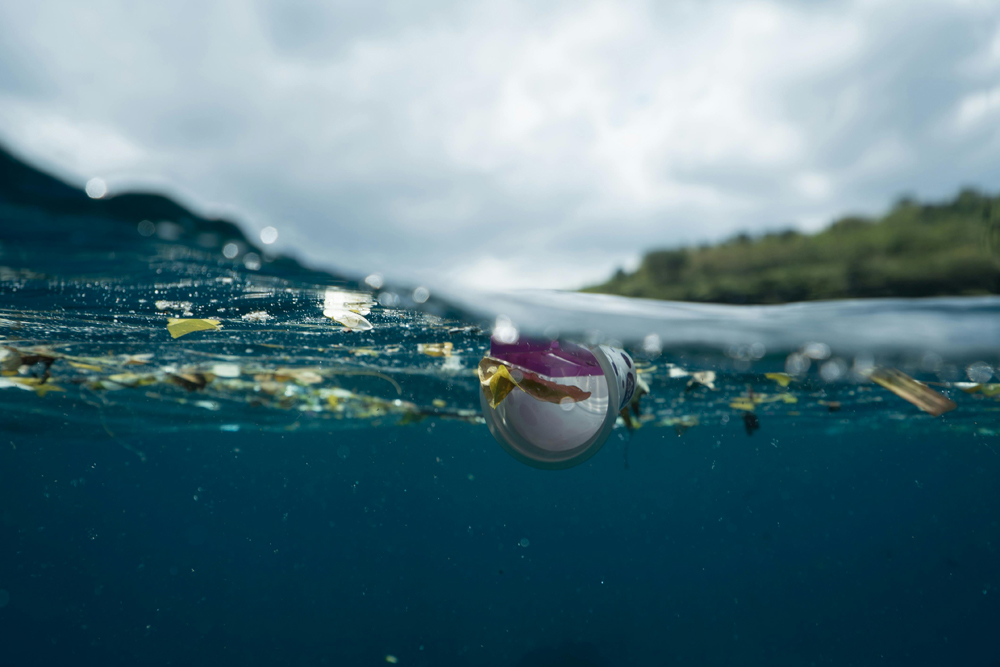
Marine plastic pollution is a global environmental threat. In the Pacific region, which is hard-hit by climate related disasters, marine plastic pollution magnifies climate impacts. Plastic pollution causes environmental disruption: pollution of soil and water systems, emission of methane gas from landfills, thinning of ozone layer, negative impact on marine environments.
There are exciting initiatives in Pacific Islands to reduce marine pollution, such as the SPREP Moana Taka Partnership providing a regional opportunity to export hazardous wastes for environmentally sound management and disposal elsewhere. This event will explore these different initiatives in place to tackle plastic pollution and mitigate climate change.
Programme
Moderator:
- Dr. Carolyn Deere Birkbeck, Director of the Forum on Trade, Environment, and the SDGs (TESS)
Keynote address:
-
Hon Prime Minister Mark Brown, the Cook Islands (tbc)
Panelists:
- Mr. Rolph Payet, the Executive Secretary of the Basel, Rotterdam and Stockholm conventions
- Mr. Sefanaia Nawadra, Director-General, Secretariat of the Pacific Regional Environment Programme (SPREP)
- Ms. Leticia Carvalho, Head of Marine and Freshwater Branch, Ecosystems Division and the SIDS Focal Point, United Nations Environment Programme (UNEP)
- Ms. Ellysar Baroudy, Lead natural resources specialist, World Bank Organisation (WBO)
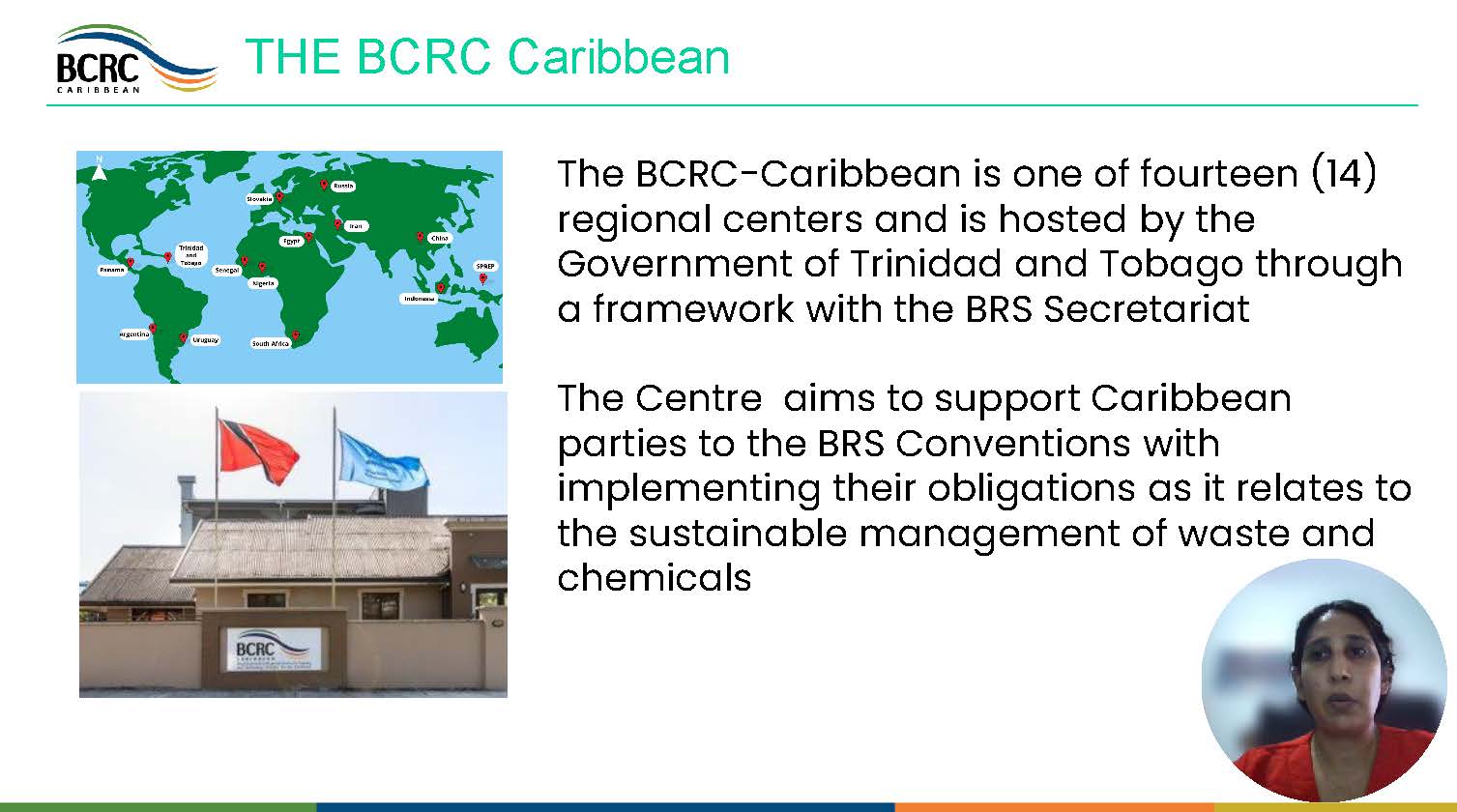
- Ms. Jewel Batchasingh, Director, the Basel Convention Regional Centre for Training and Technology Transfer for the Caribbean
- Mr. Joao Sousa, Senior Programme Manager, International Union for Conservation of Nature (IUCN)
Resources
| Presentation |
|
Webcast recording
|
|
 |
|
|
|
Photo gallery

|
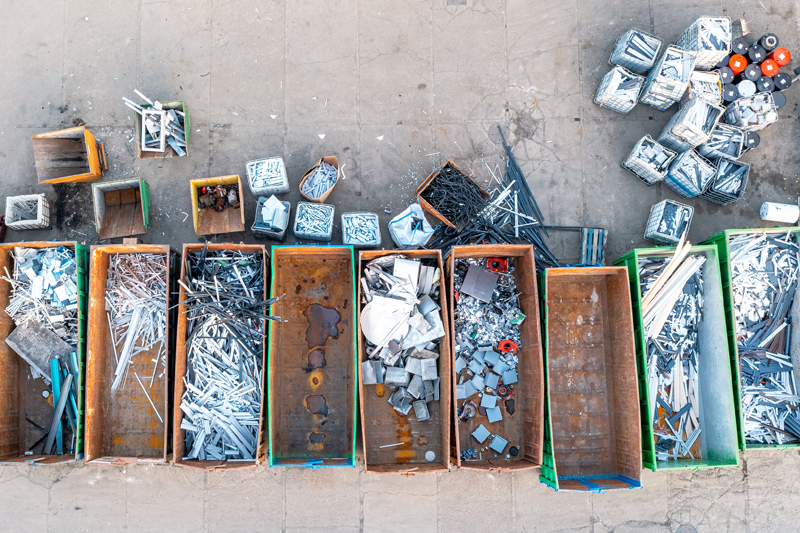 |
Environmentally sound management of waste, and its responsible trade, is essential in mitigating climate change and promoting a circular economy. The waste management sector can play a vital role in climate mitigation through a multitude of actions.
Side Event: Accelerating integration of low-carbon waste management in Nationally Determined Contributions to Reach Climate Commitments
3 December 2023
16:00–16:45 p.m.
Finland Pavilion
Dubai, United Arab Emirates
webcast recording
Environmentally sound management of waste, and its responsible trade, is essential in mitigating climate change and promoting a circular economy. The waste management sector can play a vital role in climate mitigation through a multitude of actions. First, through direct greenhouse gas emissions reductions from solid waste management and, second, indirectly through the effects of waste prevention, re-use, recycling, and replacement of fossil fuels and feedstock by secondary raw materials. Waste recycling and resource recovery - which are at the core of a circular economy - offer potential GHG reductions in the magnitude of up to 20% of the global emissions.
By bringing together experts from different horizons, the side event will foster the sharing of experiences and solutions to support countries to consider integrating waste management policies and circular economy interventions in their nationally determined contributions (NDC).
Programme
Moderator:
- Ms. Kerstin Stendahl, Special Envoy for Climate Change, Ministry for Foreign Affairs, Finland
Panelists:
-
Maimunah Mohd Sharif, Under-Secretary-General and Executive Director, United Nations Human Settlements Programme (UN-HABITAT)
- Daniel Tutu Benefoh, Climate Change Unit Director, Environmental Protection Agency, Ghana
- Peter Simões, Chair, Working Group on Climate Change, International Solid Waste Association (ISWA)
- Jorge Laguna Celis, Director, One Planet Network, United Nations Environment Programme (UNEP)
- Rolph Payet, Executive Secretary, Basel, Rotterdam and Stockholm Conventions
Resources
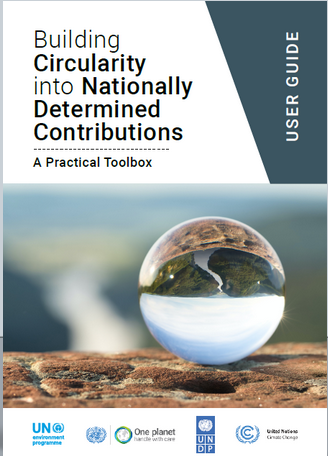
Building Circularity into Nationally Determined Contributions (NDCs) – A Practical Toolbox co-developed by UNDP, UNEP/One Planet Network Secretariat, and UNFCCC secretariat .
 |
|
|
|
Photo gallery

|
 |
Environmentally sound management of wastes, and its responsible trade, is essential in mitigating climate change and promoting a circular economy. The waste management sector can play a vital role in climate mitigation through a multitude of actions.
Side Event: International regulations and national policies driving low carbon waste management and circularity
3 December 2023
09:00 a.m.–10:30 a.m.
Waste and Resources Pavilion
Dubai, United Arab Emirates
Environmentally sound management of wastes, and its responsible trade, is essential in mitigating climate change and promoting a circular economy. The waste management sector can play a vital role in climate mitigation through a multitude of actions. First, through direct GHG reductions from solid waste management and, second, indirectly through the effects of waste prevention, re-use and recycling. Waste recycling and resource recovery – which are at the core of a circular economy - offer potential GHG reductions in the magnitude of up to 20% of the global emissions. The side event will explore the role of international regulations and national actions in driving waste management and circular economies in order to respond to the climate crisis.
Programme
Moderator:
- Ms. Corinne Trommsdorff, Executive Director, French Solid Waste Partnership
Panelists:
- H.E. Dr. Kao Kim Hourn, Secretary-General of the Association of Southeast Asian Nations (ASEAN)
- Ms. Ghada Waly, Executive Director, the United Nations Office on Drugs and Crime (UNODC )
“Global actions to combat waste crime and illegal trafficking in waste”
- Mr. Rolph Payet, Executive Secretary, Basel, Rotterdam and Stockholm Conventions (BRS Conventions)
“The role of the Basel Convention in turning waste into resources and combating climate change”
- Mr. Neil Khor, Special Advisor to the Executive Director, United Nations Human Settlements Programme (UN-Habitat)
“Overview of the contribution of solid waste management to climate change, including major challenges in developing countries”
- Ms. Pia Tanskanen, Head of Environment, Nokia
“Private sector engagement to meet global environmental commitments on waste management, circularity and climate change”
- Mr. Roland Marion, Director of Circular Economy, French Agency for Ecological Transition (ADEME)
“Success factors that allow circularity in value chains”
- Mr. Carlos Silva Filho, President, International Solid Waste Association (ISWA)
Photo gallery

Organizers
|
|

|
|
 |
Chemicals are integral to almost all areas of society and are used across all economic sectors. The chemicals sector is the largest industrial energy consumer and the third largest industry subsector in terms of direct CO2 emissions.
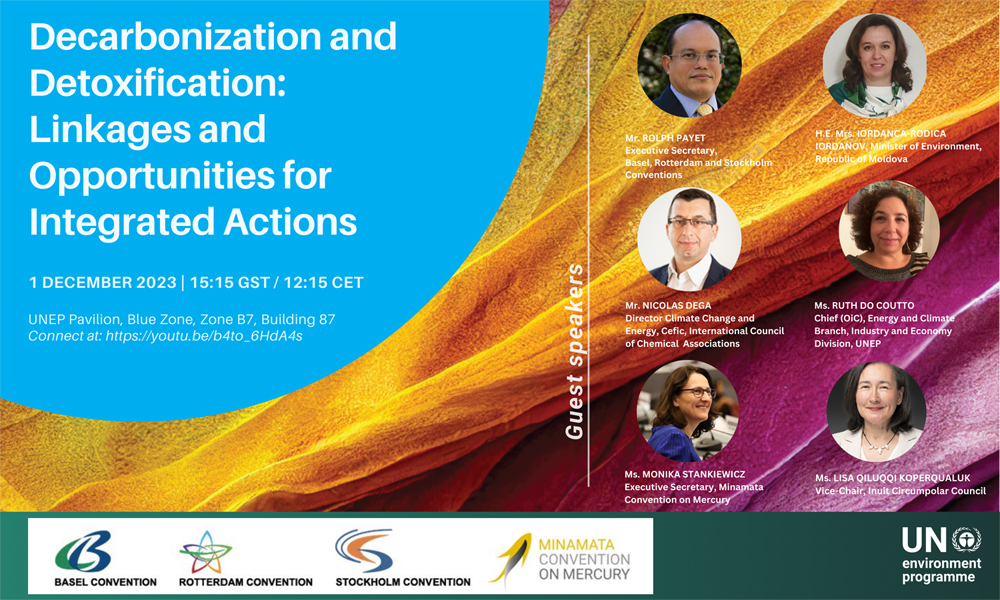
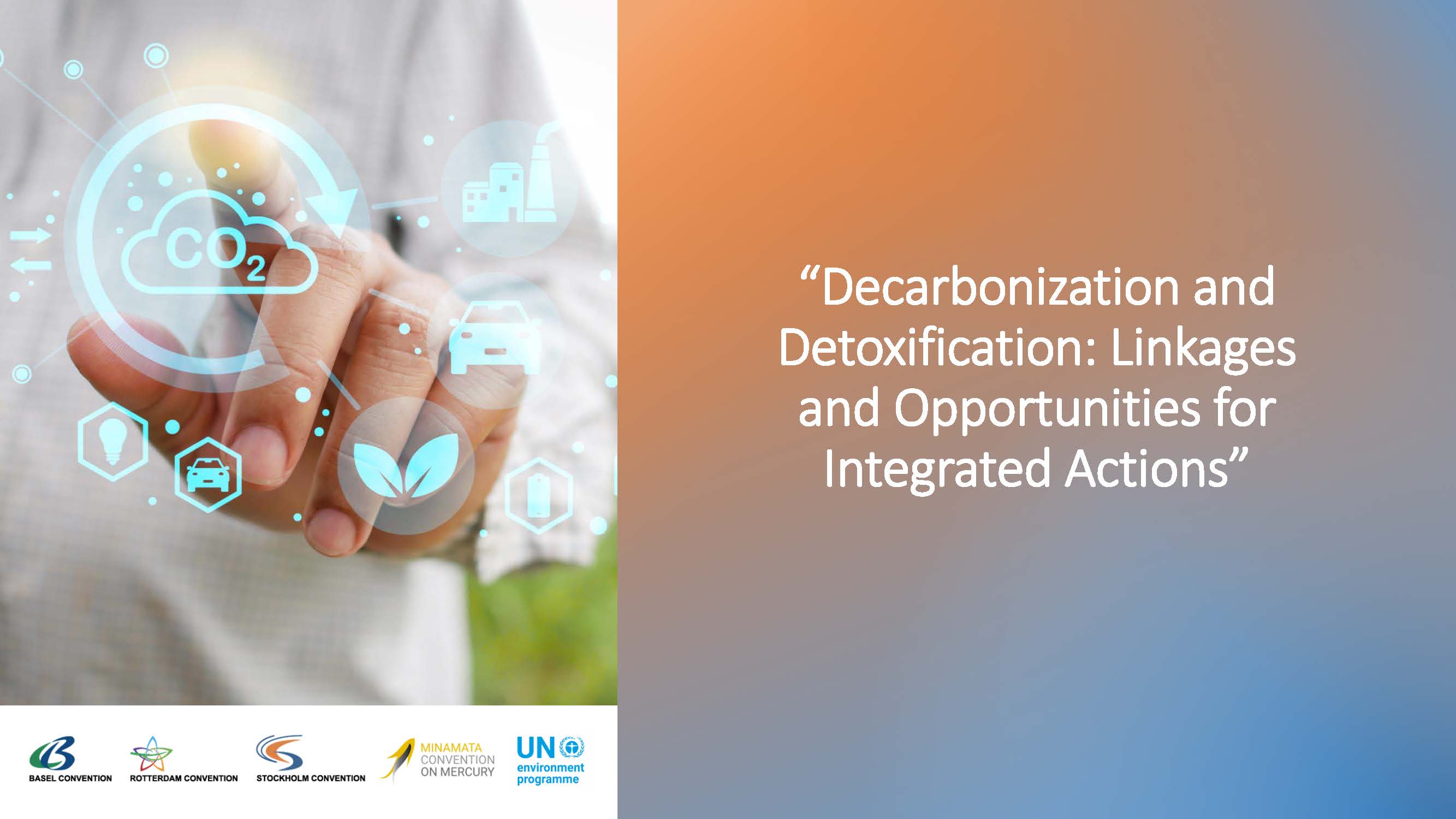
Side Event: Decarbonization and Detoxification: Linkages and Opportunities for Integrated Actions
1 December 2023
15:15-16:00 (UTC+4)
UNEP Pavilion, Blue Zone, Zone B7, Building 87
Dubai, United Arab Emirates
Chemicals are integral to almost all areas of society and are used across all economic sectors. The chemicals sector is the largest industrial energy consumer and the third largest industry subsector in terms of direct CO2 emissions. Many chemicals that are produced and utilized can have impacts on the environment and climate, with climate change in turn increasing the toxicity of some chemicals and amplifying their releases into the environment. There is growing evidence of the many varied interconnections between climate change and chemical production and use. Yet chemicals are often overlooked in climate discussions, and vice versa.
This side event aims at:
- Enhancing the understanding of the pernicious and complex interactions between climate change and chemical pollution;
- Identifying opportunities for synergistic actions that have benefits to address both the climate and pollution environmental crises;
- Calling for a better recognition of the chemicals-climate link in the global climate governance and policies.
Programme
Opening and setting the scene:
- Mr. Rolph Payet, Executive Secretary, Basel, Rotterdam and Stockholm Conventions
Panel discussion
- Mrs. Iordanca-Rodica Iordanov, Minister of Environment, Republic of Moldova
- Mr. Nicola Rega, Executive Director Climate Change and Energy of the European Chemical Industry Council (CEFIC), International Council of Chemical Associations (ICCA)
- Ms. Ruth Do Coutto, OiC, Chief, Energy and Climate Branch, Industry and Economy Division, United Nations Environment Programme (UNEP)
- Ms. Lisa Qiluqqi Koperqualuk, Vice-Chair, Inuit Circumpolar Council (ICC)
Q&A
Closing
- Ms. Monika Stankiewicz, Executive Secretary of the Minamata Convention on Mercury
Resources
| Presentation |
|
Webcast recording
|
|
 |
|
|
|
Photo gallery
Organizers
|
|

|
|
 |
Enhance your chairing skills by taking the free, upgraded training course on Principles of Chairing and Role of the Chairs of BRS Convention Meetings.
Training Course on Basic Principles of Chairing and Role of the Chairs of Meetings of the BRS Conventions
|
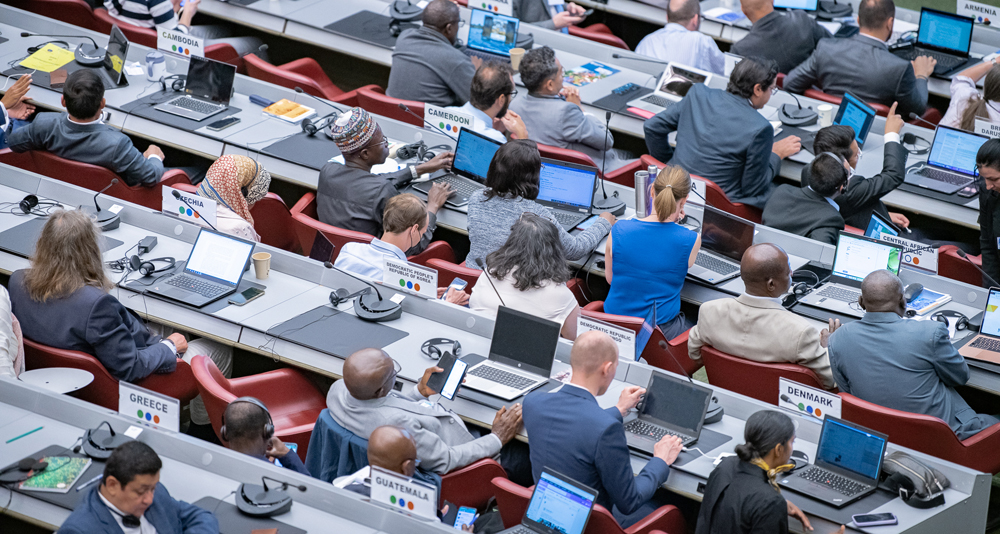 |
Read the advance English versions of the reports of the Basel, Rotterdam and Stockholm conventions 2023 COPs.
2023 BRS COPs meeting reports available
|
 |
The objective of this online briefing is to inform Parties to the Rotterdam and Stockholm Conventions, observers and other stakeholders on the outcomes of the nineteenth meetings of the Rotterdam Convention’s Chemical Review Committee (CRC-19) and the Stockholm Convention’s Persistent Or...
Outcomes of the nineteenth meetings the Chemical Review Committee and the Persistent Organic Pollutants Review Committee
|
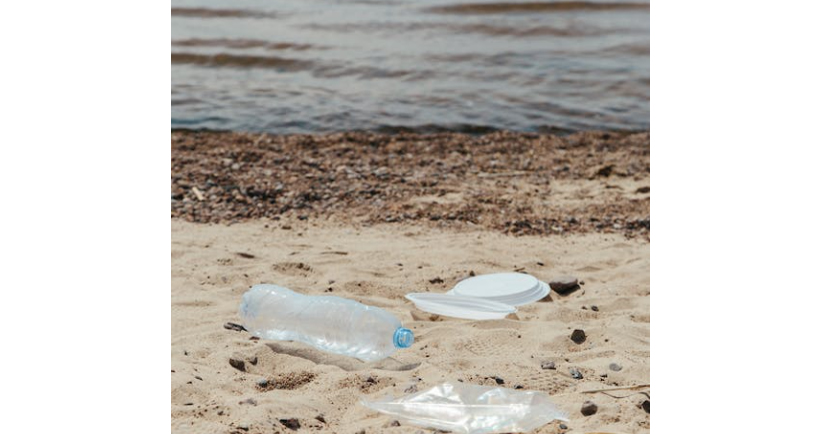 |
On 13 October 2023, the Conference of Parties to the Waigani Convention made history by adopting the first-ever amendment to the Convention, marking a significant step by countries in the Pacific region toward aligning the Convention with global efforts under the Basel Convention to better control p...
Pacific region takes significant steps by aligning the Waigani Convention with global efforts to control plastic waste
|
|
The online briefings will provide an overview of the issues that will be considered by the nineteenth meetings of the CRC and the POPRC to be held respectively from 3 to 6 October 2023 and 9 to 13 October 2023 in Rome, Italy.
Join the online briefings on the 19th meetings of the Chemical Review Committee (CRC) of the Rotterdam Convention and the POPs Review Committee (POPRC) of the Stockholm Convention
|
 |
Read the advance English version of the report of the sixteenth meeting of the Conference of the Parties to the Basel Convention.
BC COP-16 meeting report now available
|
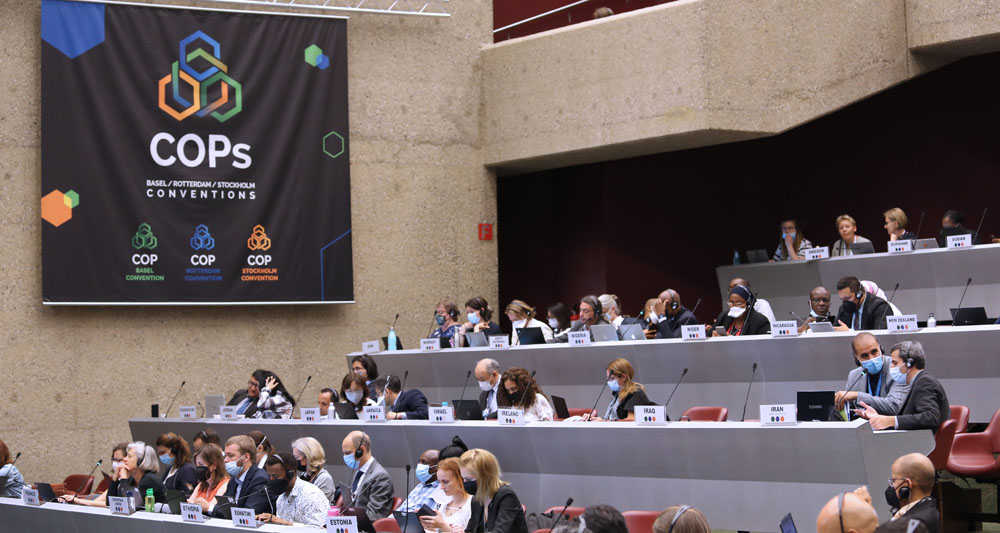 |
The online briefings provided an overview of the outcomes of the latest meetings of the conferences of the Parties to the Basel, Rotterdam and Stockholm conventions. Recordings and presentations are available for download.
Briefing on the outcomes of the face-to-face segment of the COP.16 to the Basel Convention, the COP.11 to the Rotterdam Convention and the COP.11 to the Stockholm Convention
|
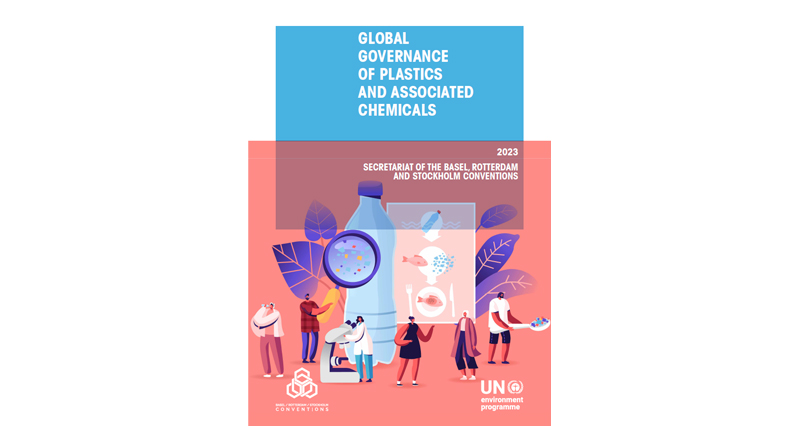 |
The recently launched report on the Global governance of plastics and associated chemicals provides the first comprehensive mapping of the existing global governance landscape for plastics and associated chemicals. The mapping includes both binding and voluntary measures adopted at the global level...
The global governance of plastics and associated chemicals report is now available
|
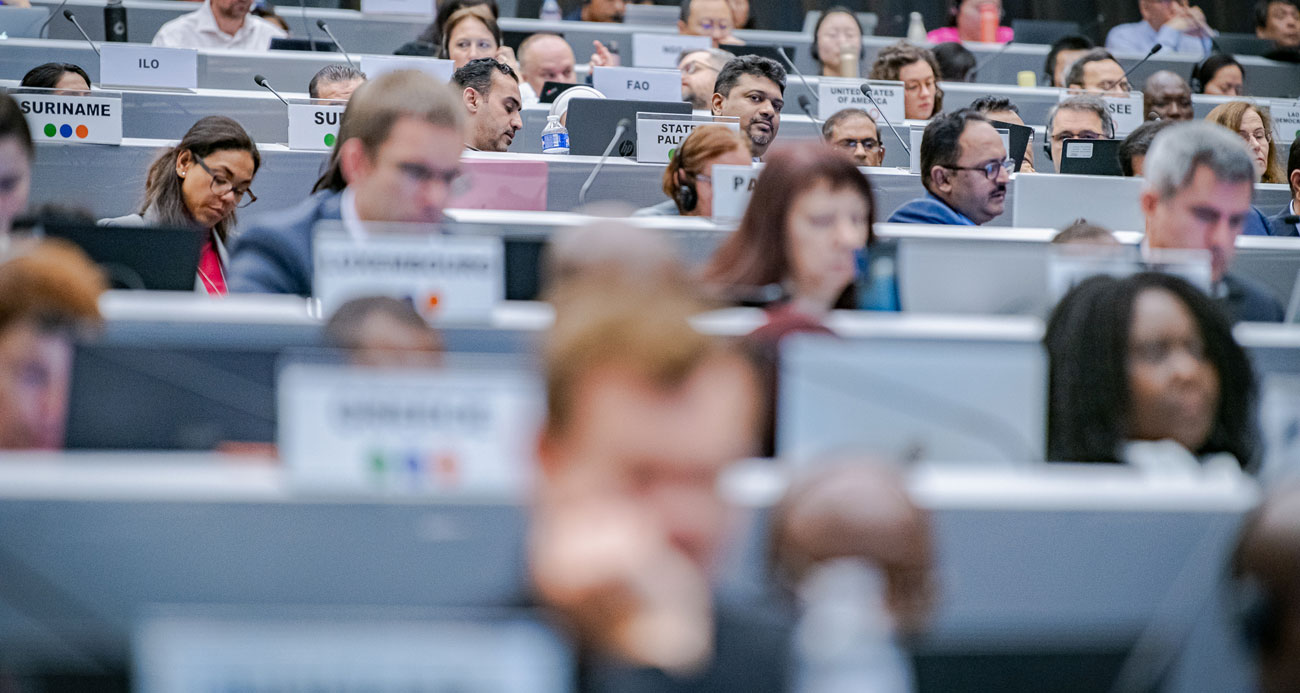 |
Representatives of the Parties to the Basel, Rotterdam and Stockholm Conventions (BRS Conventions) met in Geneva, Switzerland from 1 to 12 May 2023, to take legally binding action regarding the impact of hazardous chemicals and wastes on human health and the environment.
FAO strongly supports the global environmental agenda at the 11th meeting of the Conference of the Parties to the Rotterdam Convention
|